Standing still in engineering is the same as moving backward. The slurries that mines and industrial plants need to pump are only getting more challenging. Ore grades are declining, which means more material must be moved per unit of metal produced. Water scarcity is pushing operations toward higher density slurries. Environmental regulations are demanding zero leakage and lower energy consumption. CNSME PUMP is not waiting for these trends to become crises. Their engineering team is already deep into the next generation of heavy duty slurry pump advancements, working on technologies that will redefine what is possible in abrasive service. While I cannot reveal every detail still under development, the direction is clear. The future of slurry pumping is smarter, tougher, and more connected than anything available today.
Smart Sensors Embedded in Wear Components
The most frustrating part of slurry pump maintenance is not knowing when a component is about to fail. You run the pump until performance drops or until a scheduled shutdown, but that approach either leaves life on the table or results in unexpected breakdowns. CNSME is developing wear components with embedded sensors that monitor remaining thickness in real time. Imagine an impeller that tells you when its vanes have worn to seventy percent of original thickness, then again at fifty percent, then again at twenty five percent. Imagine a volute liner that sends an alert when the wear profile reaches a critical depth. These sensors are passive, requiring no batteries or external power, and they communicate wirelessly to a central monitoring system. Early field trials have been promising, with mines reporting that the predictive alerts allow them to schedule changeouts during planned downtime rather than reacting to sudden failures. The days of guessing when to replace a liner are coming to an end.
 ## Self Optimizing Hydraulic Performance
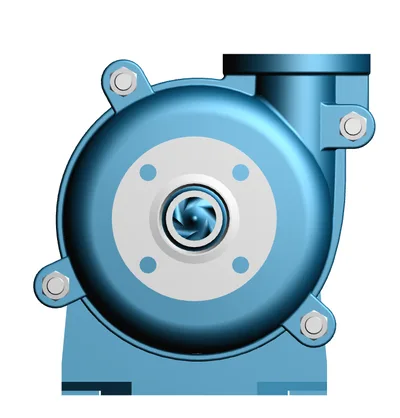
Every slurry pump operates at its best efficiency point only under ideal conditions. Change the slurry density, change the particle size distribution, or change the pipeline friction, and the pump drifts away from that sweet spot. CNSME is working on self optimizing pump systems that adjust their operating parameters automatically to maintain peak efficiency. The system uses real time data from flow meters, pressure transmitters, and density gauges. An onboard algorithm calculates the current pump efficiency and compares it to the pump’s hydraulic model. If efficiency has dropped, the system adjusts the pump speed, adjusts the impeller clearance, or even changes the volute geometry using variable geometry components. The goal is to keep the pump operating at its peak efficiency regardless of changing conditions. Early prototypes have demonstrated efficiency improvements of five to ten percent over manually adjusted pumps, and the system requires no operator intervention once configured.
Advanced Ceramic Metal Composite Materials
High chromium white iron has been the gold standard for slurry pump wear components for decades, but CNSME researchers believe they have found something better. Advanced ceramic metal composites combine the hardness of ceramic particles with the toughness of a metallic binder. The result is a material that approaches the hardness of alumina ceramic while maintaining the impact resistance of tool steel. Laboratory abrasion tests show that these composites wear at one third the rate of the best high chrome white iron. The challenge has been manufacturing complex shapes like impellers from these composites, but CNSME has developed a casting process that produces near net shape components with minimal post machining. Industrial field trials are underway at several mines, and early results are encouraging. If these composites live up to their promise, the next generation of CNSME pumps will have wear life measured in years rather than months, even in the most abrasive applications.
Magnetic Bearing Systems for Frictionless Operation
Bearings are a constant maintenance item on any rotating machine. They require lubrication, they generate heat, and they eventually fail. CNSME is exploring active magnetic bearing systems that levitate the pump shaft using electromagnetic forces. With no physical contact, there is no friction, no wear, and no lubrication required. Magnetic bearings can also actively dampen vibration and compensate for minor misalignments, protecting the pump from damage. The technology is already used in high speed compressors and turbines, but adapting it to the harsh environment of a slurry pump has required significant engineering. Sealing the magnetic coils from moisture and dust, providing backup power for safe shutdown during electrical outages, and reducing the cost to competitive levels are all active development areas. A magnetic bearing slurry pump would be a game changer for remote or unattended pumping stations, where bearing maintenance is a major logistical challenge.
Integrated Condition Monitoring Platforms
Sensors are useful individually, but their true power comes from integration. CNSME is developing a comprehensive condition monitoring platform that collects data from every smart component in the pump. Bearing temperature and vibration. Seal leakage and flush flow. Impeller wear status. Suction and discharge pressure. Motor current and speed. The platform analyzes all these data streams together, looking for patterns that indicate developing problems. A rising bearing temperature combined with increasing vibration might indicate misalignment. A decreasing discharge pressure with stable motor current might indicate impeller wear. The platform learns from each installation, becoming more accurate over time. Alerts are delivered to maintenance teams via mobile devices, with recommended troubleshooting steps. Mines participating in the beta program have reported that the platform catches developing failures an average of two weeks before they would have been discovered by routine inspections, allowing truly proactive maintenance.
 ## Modular Scalable Pump Architecture
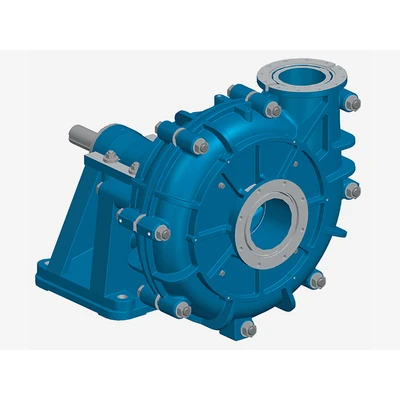
One size never fits all, but designing custom heavy duty slurry pump ↗ for every application is expensive and slow. CNSME is moving toward a modular scalable architecture that allows pumps to be configured from standardized components rather than custom engineered from scratch. A family of standardized bearing cartridges, shaft sizes, and seal housings can be combined with a range of impeller designs and volute geometries. Need a higher pressure rating? Select the heavy duty bearing cartridge. Need to handle larger particles? Select the wide passage impeller. Need corrosion resistance? Select the rubber lined volute. The components are designed to interchange without modification, reducing lead times and simplifying spare parts inventory. This modular approach also makes upgrades easier. A pump installed today can be reconfigured for a different duty tomorrow by swapping a few modules rather than replacing the entire pump. CNSME expects the modular architecture to be fully rolled out across their product line within the next two years.
Remote Diagnostic and Tuning Services
Even the best on board systems sometimes need human expertise. CNSME is building a remote diagnostic center staffed by experienced pump engineers who can connect to your pump’s monitoring platform over the internet. When a problem arises that your local team cannot solve, the remote engineer can review historical data, run diagnostic routines, and recommend specific corrective actions. The engineer can also remotely tune the pump’s operating parameters, adjusting speed control algorithms or flush schedules to optimize performance. This service is particularly valuable for mines in remote locations that do not have easy access to specialized pump expertise. One early adopter in Western Australia reported that remote tuning of their tailings pumps reduced energy consumption by eight percent and extended bearing life by thirty percent, all without a service technician setting foot on site. The future of CNSME heavy duty slurry pumps is not just better hardware. It is better intelligence, better materials, and better support, all working together to move slurry more reliably and more efficiently than ever before.