A certificate of analysis is often treated as a box to tick during purchase, glanced at briefly and filed away without much thought. That habit wastes the document's real value. A well-prepared CoA tells a detailed story about a peptide's identity, purity, and testing history, and knowing which elements to examine transforms it from a formality into a genuine decision-making tool. Molequa supplies certificates with its research peptides, and this article walks through the specific features worth checking, explaining what each one reveals and why it deserves your attention before you commit to an order.
The Identifying Details That Anchor the Document
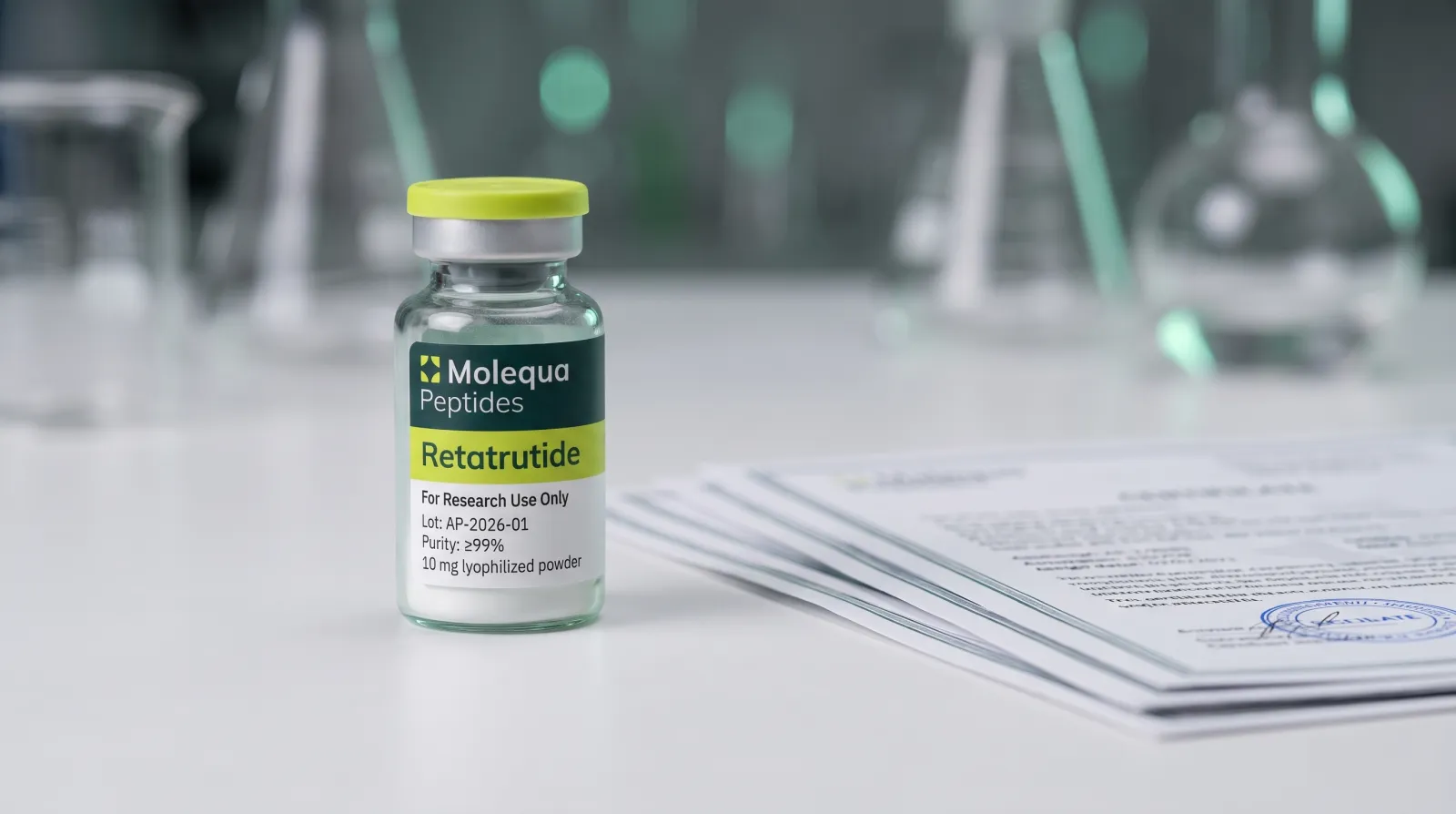
Every certificate should begin with information that ties it to a specific product. Look for the peptides with certificate of analysis ↗ full name, its sequence, the batch or lot number, the vial size, and the date the certificate was issued. These details might seem mundane, but they establish the document's relevance to your order. A certificate lacking a batch number, or one whose product description does not quite match the listing, deserves immediate questioning. Molequa's certificates carry this identifying information so buyers can confirm at a glance that the document corresponds to the exact material they intend to purchase, rather than a similar product from a different production run.
 ## Purity Values and the Chromatogram Behind Them
Purity percentages attract the most attention, and rightly so, but the number alone is incomplete without the chromatogram that produced it. The chromatogram shows the separation of the sample into its components, with the main peak representing the target peptide and smaller peaks indicating impurities. Check that the stated purity is consistent with the peak areas displayed, and examine whether the main peak looks clean and well-defined. A certificate claiming high purity alongside a messy chromatogram with numerous secondary peaks should raise doubts. Molequa includes chromatographic data so buyers can judge the purity claim against the underlying evidence rather than accepting the figure on faith.
Mass Spectrometry Data Confirming Identity
Purity tells you how much of the sample is one substance, but mass spectrometry tells you whether that substance is the right peptide. The mass spectrum reports the molecular weight observed during analysis, which should align with the theoretical mass calculated from the peptide's amino acid sequence. Small deviations within instrument tolerance are normal, while larger discrepancies suggest a problem with identity. When reviewing a Molequa certificate, locate the mass spectrometry results and compare the observed value against the expected figure for your peptide. This single check catches mislabeled products, substituted sequences, and other identity errors that purity data alone cannot detect.
The Testing Laboratory and Its Independence
The credibility of a certificate depends heavily on who performed the analysis. Look for the name of the testing facility, its location, and any accreditation details included in the document. Independent laboratories with no financial interest in the outcome provide the strongest assurance, since their results are not shaped by a desire to please the supplier. Molequa relies on external testing, and the certificates reflect this separation. Buyers who want additional confidence can search for the named laboratory online, confirm that it offers peptide analysis services, and verify its contact information, a quick step that filters out documents referencing facilities that do not exist.
Dates, Signatures, and Other Authenticity Signals
Fraudulent certificates often betray themselves through small omissions. Check whether the document includes a testing date that precedes the issue date, a signature or stamp from the laboratory, and consistent formatting throughout. Repetition across unrelated products is another warning sign, as is any certificate that appears identical to ones circulating from other suppliers. Molequa's documentation is batch-specific, meaning each certificate reflects a distinct production run with its own testing timeline. Treat missing dates, absent signatures, and suspiciously uniform results as reasons to ask questions before proceeding with a purchase.
 ## Matching the Certificate to Your Specific Order
The final check involves connecting the certificate to the physical product you will receive. Confirm that the batch number on the certificate matches the batch number on the vial and the order documentation, and keep a copy filed alongside your purchase records. This step matters because certificates can be genuine yet attached to the wrong batch, either through error or deliberate substitution. Molequa's per-batch approach reduces this risk, but buyers should still perform the match themselves upon delivery. A certificate that cannot be tied to the material in hand offers no real protection, no matter how impressive its contents.
Using Certificates to Build Better Purchasing Decisions
Beyond individual orders, certificates become more valuable when compared over time. Maintaining an archive of Molequa CoAs allows you to track purity trends, spot changes in testing practices, and identify batches that performed particularly well in your experiments. This historical perspective turns certificates into a feedback resource rather than a one-time formality, informing future orders and strengthening the relationship with your supplier. Researchers who treat CoAs as working documents, reviewed carefully and referenced often, extract far more value from them than those who simply confirm a percentage and move on.