When a Toronto homeowner embarks on a major demolition project, insurance is likely far from their mind—until something unexpected happens. A neighboring property sustains unexpected cracks. A worker is injured on site. An excavator strikes an underground utility, causing service disruptions. These incidents, while rare with professional contractors, can occur, and when they do, insurance claims become the mechanism for addressing damages and restoring normalcy. Understanding how insurance operates in the context of mammoth residential demolition Toronto ↗ is essential for homeowners, both those undertaking demolition and those whose properties may be affected. This knowledge transforms insurance from mysterious fine print into a predictable framework for managing risk and resolving disputes when things go wrong.
The Contractor's Insurance: First Line of Defense
Before any demolition begins, reputable contractors carry comprehensive insurance coverage that serves as the first line of defense against claims. Commercial general liability insurance protects against claims of bodily injury or property damage arising from the contractor's operations. If a worker's equipment damages a neighbor's fence, or if debris strikes a passing car, this coverage responds. Contractors also carry automobile liability for their fleet vehicles, umbrella policies that provide additional limits above primary coverage, and in some cases, professional liability for design errors if engineering is included in their scope. Homeowners undertaking demolition should request certificates of insurance before work begins, verifying that coverage is current and limits are adequate. These certificates provide peace of mind that financial resources exist should something go wrong.
 ### The Homeowner's Insurance: What It Covers and What It Doesn't
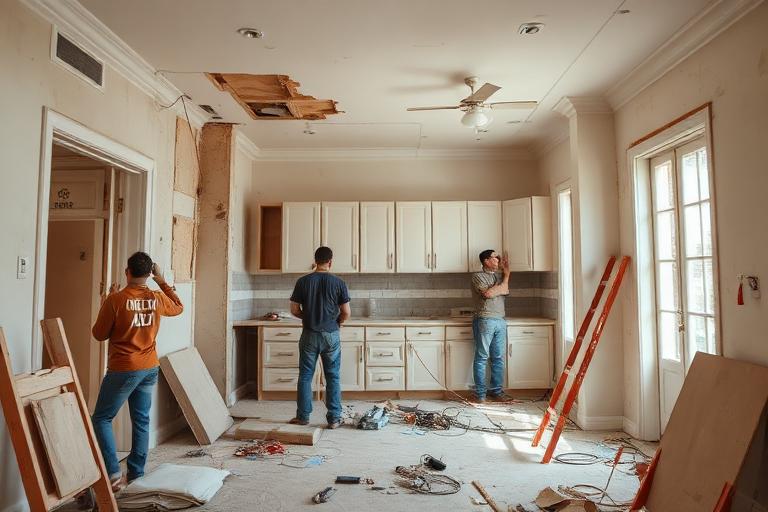
Homeowners whose property is being demolished have their own insurance considerations. Standard homeowner policies typically exclude damage caused by construction activities, meaning that if your demolition contractor damages your own property—beyond the planned demolition—your insurance may not respond. However, your policy likely covers damage to neighboring properties if you are found liable, though this coverage is best considered a last resort after the contractor's insurance. If you are temporarily vacating your home during demolition, you may need to notify your insurer, as vacancy can affect coverage. Some policies require specific endorsements for construction projects. Consulting your insurance broker before demolition begins ensures you understand your coverage and can address any gaps before they become problems.
Neighbor Claims: When Adjacent Properties Are Affected
Despite best efforts, demolition can occasionally affect neighboring properties. Cracks may appear in walls that were stable before work began. Driveways may settle. Landscaping may be disturbed. When this occurs, the affected neighbor has the right to file a claim against the party responsible—typically the demolition contractor or the property owner who hired them. The claims process begins with documentation: photographs of the damage, records of pre-demolition conditions if available, and written descriptions of when and how the damage occurred. The contractor's insurance company will investigate, sending adjusters and engineers to assess the damage and determine cause. If the claim is validated, the insurer will arrange for repairs or provide compensation. Throughout this process, communication between neighbors, contractors, and insurers is essential for resolving claims efficiently and preserving community relationships.
The Role of Pre-Demolition Condition Surveys
Pre-demolition condition surveys are perhaps the most important tool for managing insurance claims before they arise. These surveys, conducted by professional engineers before any work begins, document the existing condition of all neighboring properties within the zone of influence. Photographs capture every crack, every settlement, every imperfection. Written descriptions note locations and dimensions. This documentation establishes a baseline that distinguishes pre-existing conditions from damage caused by demolition. When neighbors later raise concerns, the survey provides objective evidence that either validates claims (if new damage appears) or refutes them (if conditions were pre-existing). Homeowners undertaking demolition should ensure that comprehensive condition surveys are conducted and that neighbors receive copies, creating transparency that prevents disputes.
Workers' Compensation and Workplace Injuries
Injuries on demolition sites, while always the goal to prevent, trigger a separate insurance mechanism: workers' compensation. In Ontario, the Workplace Safety and Insurance Board (WSIB) provides no-fault insurance for workplace injuries, covering medical costs and lost wages for injured workers while protecting employers from lawsuits. Contractors must be registered with WSIB in good standing, and homeowners should verify this registration before hiring. If a worker is injured on your property, WSIB coverage ensures they receive care without recourse against you. This system is one reason professional contractors cost more than casual labor—the insurance infrastructure behind them protects everyone involved. Confirming WSIB coverage is not optional; it is essential protection against potential liability.
 ### Documenting the Claims Process
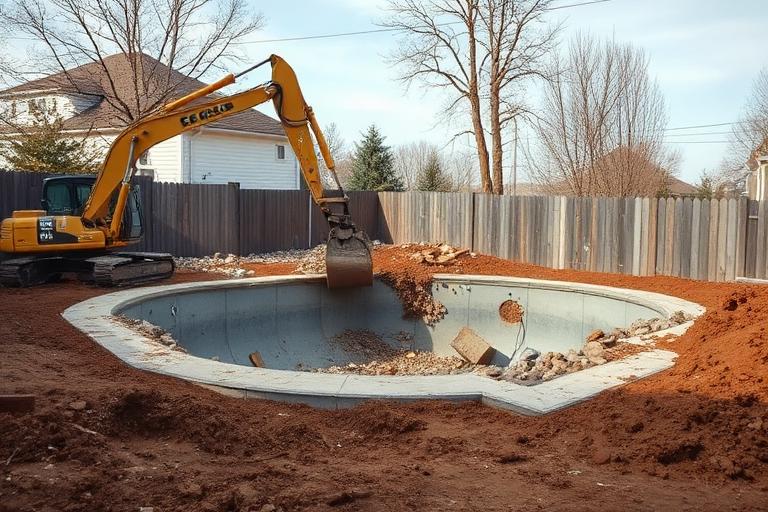
When claims do arise, meticulous documentation becomes invaluable. Keep records of all communications with contractors, insurers, and neighbors. Photograph damages from multiple angles, including context shots that show location relative to the demolition site. Save emails and notes from phone conversations, recording dates, times, and the substance of discussions. If engineers or adjusters inspect the property, request copies of their reports. This documentation serves multiple purposes: it supports your claim, it prevents misunderstandings, and it creates a record that can resolve disputes if memories fade or facts are contested. In the emotion that often accompanies property damage, written documentation provides objective anchor points that keep discussions grounded in facts.
Preventing Claims Through Communication
Ultimately, the best insurance claim is the one never filed, and preventing claims begins with communication. Before demolition starts, talk with neighbors about what to expect, when work will occur, and how long it will last. Share the results of pre-demolition condition surveys, inviting neighbors to review and comment. Provide contact information for a designated person who can respond to concerns promptly. Throughout demolition, maintain this communication, alerting neighbors to particularly noisy activities or schedule changes. When concerns arise, address them immediately rather than letting them fester into formal claims. This proactive communication builds trust that survives minor incidents, transforming potential adversaries into understanding neighbors. In the close-knit fabric of Toronto's residential neighborhoods, this human approach is as important as any insurance policy in managing the risks of demolition.