Selecting the right pair of standard dance shoes ↗ is one of the most important investments a ballroom dancer can make. The wrong choice can lead to foot pain, poor balance, and even injury, while the right pair can elevate your performance and make hours of practice feel far more comfortable. Whether you are preparing for your first competition or refining your technique for years to come, this guide walks you through the key considerations that will help you make a confident, informed decision.
Understanding What Standard Dance Shoes Actually Do
Before comparing brands or styles, it helps to understand the job these shoes perform. Standard dance shoes are not simply formal footwear; they are specialized tools designed to support the unique mechanics of ballroom movement. The suede sole allows controlled gliding across the floor, the heel position encourages proper weight placement, and the snug fit keeps the foot connected to the shoe during quick direction changes. Unlike street shoes, which prioritize cushioning for pavement, dance shoes prioritize a direct feel for the floor, because dancers need to sense the ground beneath them to balance correctly. Recognizing this distinction early prevents the common mistake of choosing shoes based on looks alone rather than function.
 ## Practice Shoes Versus Competition Shoes
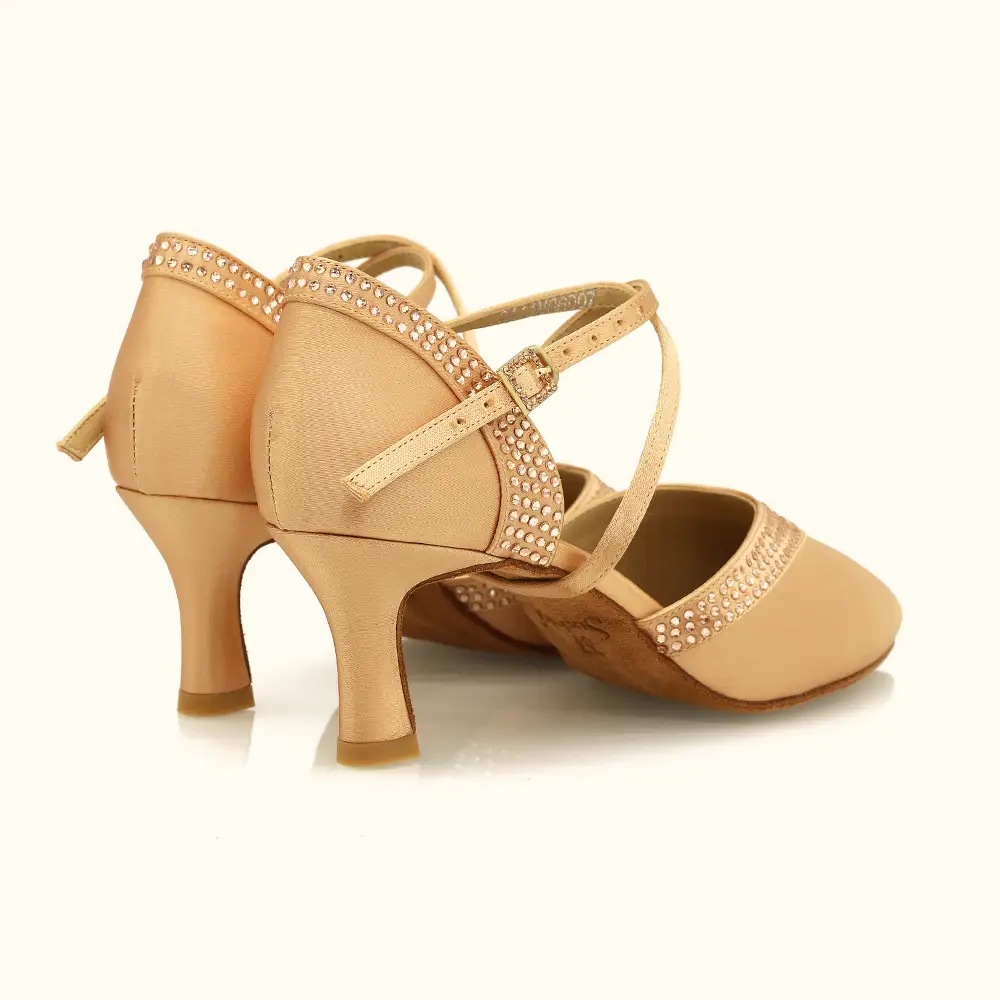
One of the first decisions you will face is whether you need a separate pair for practice and another for competitions. Practice shoes are typically lower-heeled, wider, and more heavily cushioned, designed to protect the feet during long training sessions where comfort matters more than presentation. Competition shoes, by contrast, feature slimmer heels, refined styling, and a closer fit that creates a polished line on the floor. Many experienced dancers keep both types in their bag, wearing practice shoes for daily drills and saving their competition pair for lessons, dress rehearsals, and events. If your budget allows only one purchase at first, a moderate-heel practice-style shoe is the safer starting point.
Getting the Fit Right: Length, Width, and Toe Shape
Fit is where most footwear problems begin, and dance shoes demand more precision than everyday shoes. Your toes should rest close to the front of the shoe without pressing against it, and the heel should stay securely in place without slipping when you rise onto your toes. Width deserves as much attention as length; a shoe that pinches across the ball of the foot will cause pain within minutes, while excessive roominess lets the foot slide and invites blisters. Toe shape also matters, since pointed toe boxes suit dancers with tapered feet while rounded or square boxes accommodate broader forefeet. Always measure your feet late in the day, and try shoes with the same thin socks or tights you will wear when dancing.
Selecting the Ideal Heel Height for Your Level
Heel height influences both appearance and mechanics, and the right choice depends on your experience and goals. Beginners generally benefit from lower heels of around one and a half to two inches, which offer greater stability while the muscles and balance systems adapt to dancing. As technique develops, many dancers progress to taller, slimmer heels that create a longer leg line and encourage forward weight placement, which is essential in standard ballroom. Competitive dancers often settle on heels between two and two and a half inches, but taller is not automatically better; a heel you cannot control will undermine your balance regardless of how elegant it looks. Choose the height you can dance in confidently for a full session.
Materials and Construction Details That Matter
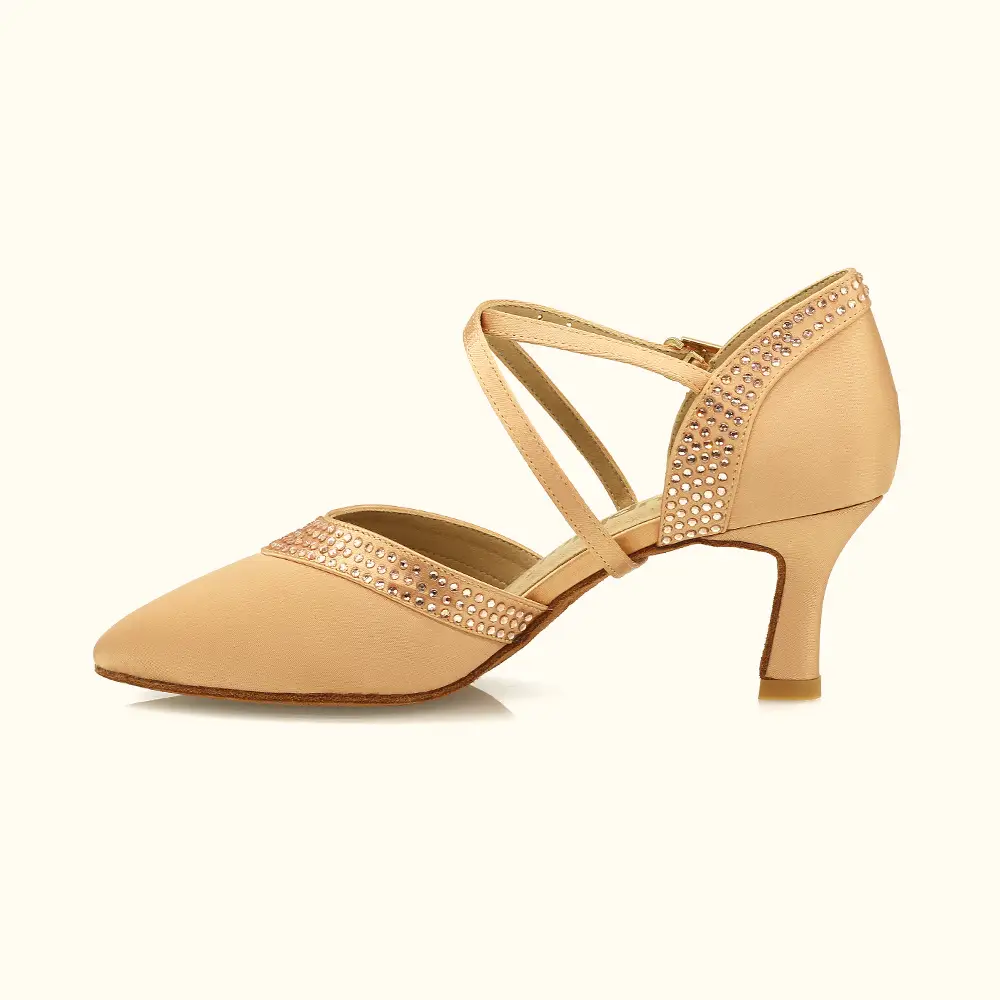
The materials used in a dance shoe affect its durability, breathability, and how well it molds to your foot. Leather uppers are the traditional favorite because they soften and conform to the foot over time, while satin offers a classic competition look at the cost of greater fragility. Linings should be moisture-absorbing to keep the foot dry through long events, and the sole should be genuine suede rather than a synthetic substitute, since real suede provides the consistent glide dancers rely on. Pay attention to the shank as well, the internal support running through the arch; a well-made shank supports rise and fall without preventing the foot from flexing naturally through each step.
 ## Breaking In New Shoes Without Ruining Them
New dance shoes rarely feel perfect straight out of the box, and a thoughtful break-in period protects both your feet and your purchase. Start by wearing them for short periods at home or during warm-ups, gradually increasing the duration over a week or two. Thin socks can help soften friction points during the earliest wears, and dancers prone to blisters should address hot spots immediately rather than pushing through pain. Avoid the temptation to stretch shoes artificially with water or force, which can damage the structure; leather will adapt naturally with consistent, moderate use. Keeping the shoes clean and storing them with shoe trees between sessions helps them retain their shape throughout the break-in process.
Balancing Budget, Durability, and Long-Term Value
Dance shoes vary widely in price, and the cheapest option is rarely the most economical in the long run. A well-constructed pair that fits properly will last through many months of regular dancing, while an ill-fitting bargain pair may cause discomfort that sidelines you entirely. Consider how often you dance each week, whether you compete, and how quickly you tend to wear through soles before deciding where to spend. Many dancers find that investing in one quality pair for competitions and a durable practice pair covers their needs without excessive expense. Trying on several brands and models before committing remains the surest way to spend wisely.