Buying a hot dip galvanizing line ↗ is one of the most consequential decisions a steel coil plant will ever make. The equipment will run for decades, consume enormous amounts of energy, and determine the quality of every coil that leaves your facility. Yet many buyers approach the purchase with more attention to price than to fit, and that is where trouble begins. The right line is not simply the cheapest or the fastest; it is the one that matches your product mix, your site conditions, your workforce, and your long-term ambitions. This guide from HiTo Engineering lays out the factors that deserve careful thought before you sign anything, drawn from the practical realities of plant operations rather than sales brochures.
Start With Your Product Mix, Not the Price Tag
Before you look at any equipment specifications, spend time defining what you will actually produce. Coil width ranges, strip thickness, coating weights, steel grades, and surface finish requirements all shape the line's configuration, and a machine optimized for thin, narrow strip will struggle with heavy-gauge wide material. Consider not just today's orders but the products you expect to sell five and ten years from now, because retrofitting a line for a wider product range is far more expensive than specifying it correctly at the outset. HiTo Engineering's advice to buyers is consistent on this point: write down your intended product portfolio in detail and let that document drive the technical discussion. Lines designed around vague assumptions tend to disappoint everyone involved.
 ## Match Line Capacity to Realistic Demand
Capacity decisions carry a special kind of risk because they are difficult to reverse. An oversized line sits partly idle, tying up capital and consuming energy without earning its keep, while an undersized line becomes a bottleneck the moment orders pick up. The sensible approach is to model capacity against realistic demand forecasts, including seasonal swings and the ramp-up period every new plant experiences. It also helps to consider how the line's speed and coil-handling times interact, since a fast furnace paired with slow entry equipment delivers disappointing output. HiTo Engineering works with buyers to size lines around achievable utilization rather than theoretical maximums, which keeps the investment proportionate and the payback period credible.
Weigh Energy Efficiency Against Capital Cost
Every galvanizing line buyer faces the same tension: more efficient equipment costs more upfront but saves money every operating hour. Furnaces with heat recovery, well-insulated zinc pots, and smart combustion controls all add to the purchase price, yet they typically repay the difference within a few years of continuous running. The calculation deserves real attention because energy is one of the largest ongoing costs in coil production, and price volatility can wreck budgets built on optimistic assumptions. Ask for specific consumption figures and, where possible, speak with operators of similar lines about actual running costs. A line that looks affordable on the invoice can turn out expensive over its lifetime, and the reverse is equally true.
Evaluate Automation and Workforce Readiness
Automation levels vary widely between lines, and more automation is not automatically better for every plant. Highly automated systems reduce labor costs and improve consistency, but they demand trained operators, reliable maintenance, and stable power quality. A plant with limited technical staff may find a moderately automated line easier to run well than a highly automated one that sits underutilized. Think honestly about who will operate and maintain the equipment, what training will be needed, and whether your site can support the control systems involved. HiTo Engineering tailors automation scope to the customer's operational reality, because a line that matches its workforce performs far better than one that constantly fights it.
Examine Build Quality and Service Support
The difference between a line that runs for twenty years and one that limps through five often comes down to build quality and the support behind it. Look at the materials used in high-wear areas, the reputation of the components, and the accessibility of critical parts for maintenance. Equally important is the supplier's willingness to support you after commissioning, including spare parts availability, technical assistance, and response times when something fails. A breakdown during a busy production period can cost far more than any savings gained from a cheaper supplier. HiTo Engineering's emphasis on durable construction and ongoing customer support reflects this reality, and buyers should probe these aspects as thoroughly as they probe price.
 ## Plan the Installation and Site Fit Carefully
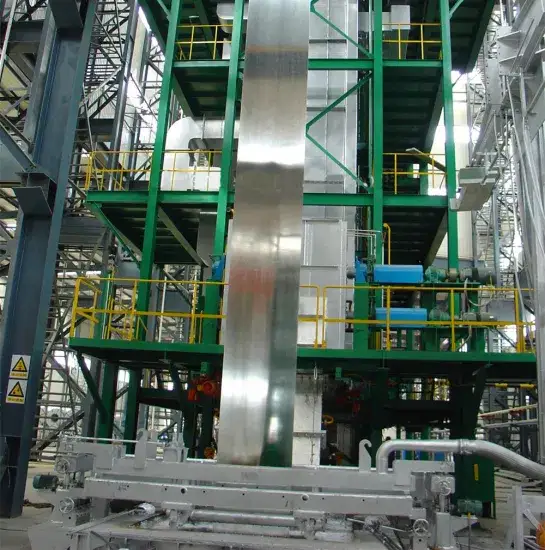
Even an excellent line can become a nightmare if it does not fit the building it is meant to occupy. Line length, crane access, foundation requirements, ventilation, chemical storage, and power supply all need assessment before the equipment is ordered. Installation timing matters too, since downtime during changeover affects existing production and customer commitments. Bring your site engineers into the conversation early and insist on layout drawings that reflect your actual floor space, not an idealized version of it. A few weeks spent on site planning at the front end routinely saves months of disruption later, and it is one of the least glamorous but most valuable parts of the selection process.
Think About the Long-Term Partnership
Finally, remember that buying a galvanizing line begins a relationship rather than completing a transaction. The supplier will be involved in commissioning, troubleshooting, upgrades, and spare parts for years to come, so choose a partner whose engineering depth and communication style suit your organization. Ask questions, visit reference installations, and talk to existing customers about how the supplier behaves when problems arise. HiTo Engineering's clients often cite responsiveness and technical understanding as reasons they return for future projects, and that pattern is worth noticing. The right line, backed by the right partner, becomes a productive asset for a generation; the wrong combination becomes a cautionary tale.