Mineral processing is a brutal test of any equipment. From the moment ore is crushed and mixed with water, the resulting slurry becomes a cocktail of sharp particles, heavy solids, and often corrosive chemicals. This mixture must be moved between crushers, screens, cyclones, and flotation cells without interruption. A pump failure in a mineral processing plant does not just stop one machine; it can idle an entire production line, costing thousands of dollars per hour in lost output. CNSME has built its manufacturing philosophy around understanding these specific challenges. They do not build general-purpose pumps that happen to work in mining. They build pumps designed from the ground up for the unique demands of mineral processing, and that focus has made them a trusted partner for processing plants around the world.
Understanding the Specific Wear Patterns of Mineral Slurries
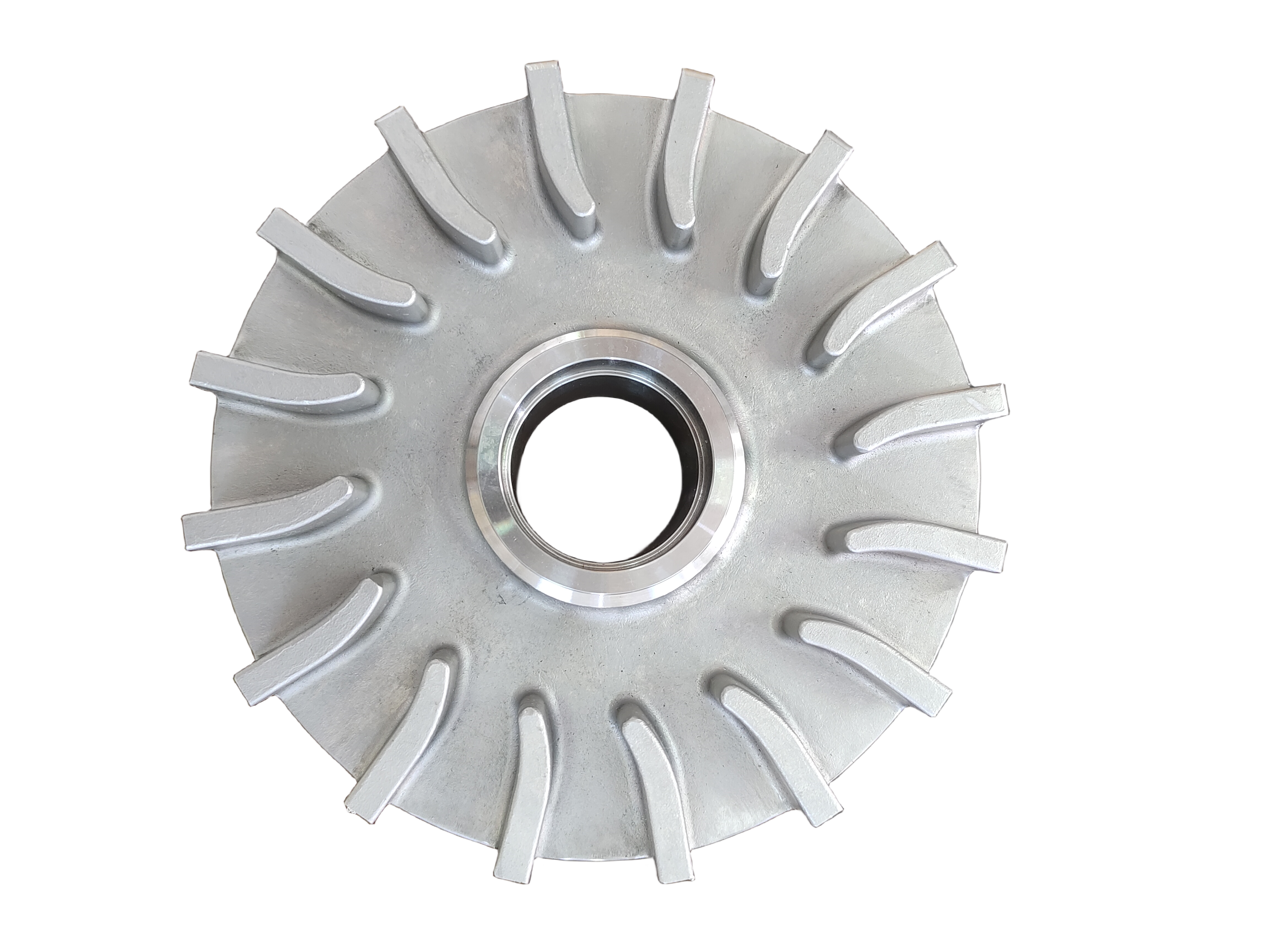
Not all slurries wear pumps the same way, and CNSME has spent years cataloging how different mineral slurries attack different pump components. A copper ore slurry with its relatively soft but heavy particles tends to cause low-angle erosion that wears volute liners evenly. A granite crushing slurry, by contrast, produces sharp, angular fragments that gouge impeller vanes and create deep, localized pits. An iron ore slurry with its high specific gravity creates massive radial loads that stress bearings and shafts. CNSME engineers study these patterns constantly, adjusting material formulations and hydraulic designs to match specific ore types. When a processing plant tells them they are moving a particular mineral at a particular particle size, the supplier does not guess. They draw on years of field data to recommend the exact alloy, liner thickness, and impeller geometry that will survive longest in that specific environment.
 ## Matching Pump Size to the Demands of Cyclone Feed Applications
One of the most critical jobs in any mineral processing plant is feeding hydrocyclones. These devices separate particles by size and density, and they require a steady, consistent pressure at their inlet to work correctly. Too little pressure, and the separation is coarse and ineffective. Too much pressure, and the cyclone gums up or wears out prematurely. CNSME supports this application by offering pumps with precisely engineered performance curves that allow plant operators to hit their target cyclone feed pressure across a range of flow rates. The pumps feature external clearance adjustments that let maintenance crews restore pressure without pulling the pump apart, and their heavy-duty bearing assemblies handle the constant backpressure that cyclones create. A processing plant that struggles with inconsistent cyclone performance often finds that switching to a properly sized CNSME pump solves more problems than just wear life.
Designing Wet Ends That Survive Highly Corrosive Leach Circuits
Some mineral processing circuits add another layer of difficulty: chemical corrosives. In gold leaching, cyanide solutions eat away at standard metals. In copper leaching, sulfuric acid attacks pump components aggressively. In these environments, abrasion and corrosion work together to destroy pumps much faster than either would alone. CNSME supports these challenging applications with specialized wet end materials designed for combined attack. Their high-chrome alloys can be formulated with additional elements like molybdenum and copper to improve corrosion resistance while retaining hardness. For the most aggressive leach circuits, they offer pumps with natural rubber or polyurethane liners that resist chemical attack far better than metal. The key is that CNSME does not pretend one material works for every chemical environment. They ask about pH levels, temperature, and specific reagents, then build a solution that matches the actual chemistry of the process.
Reducing Downtime with Modular Component Design
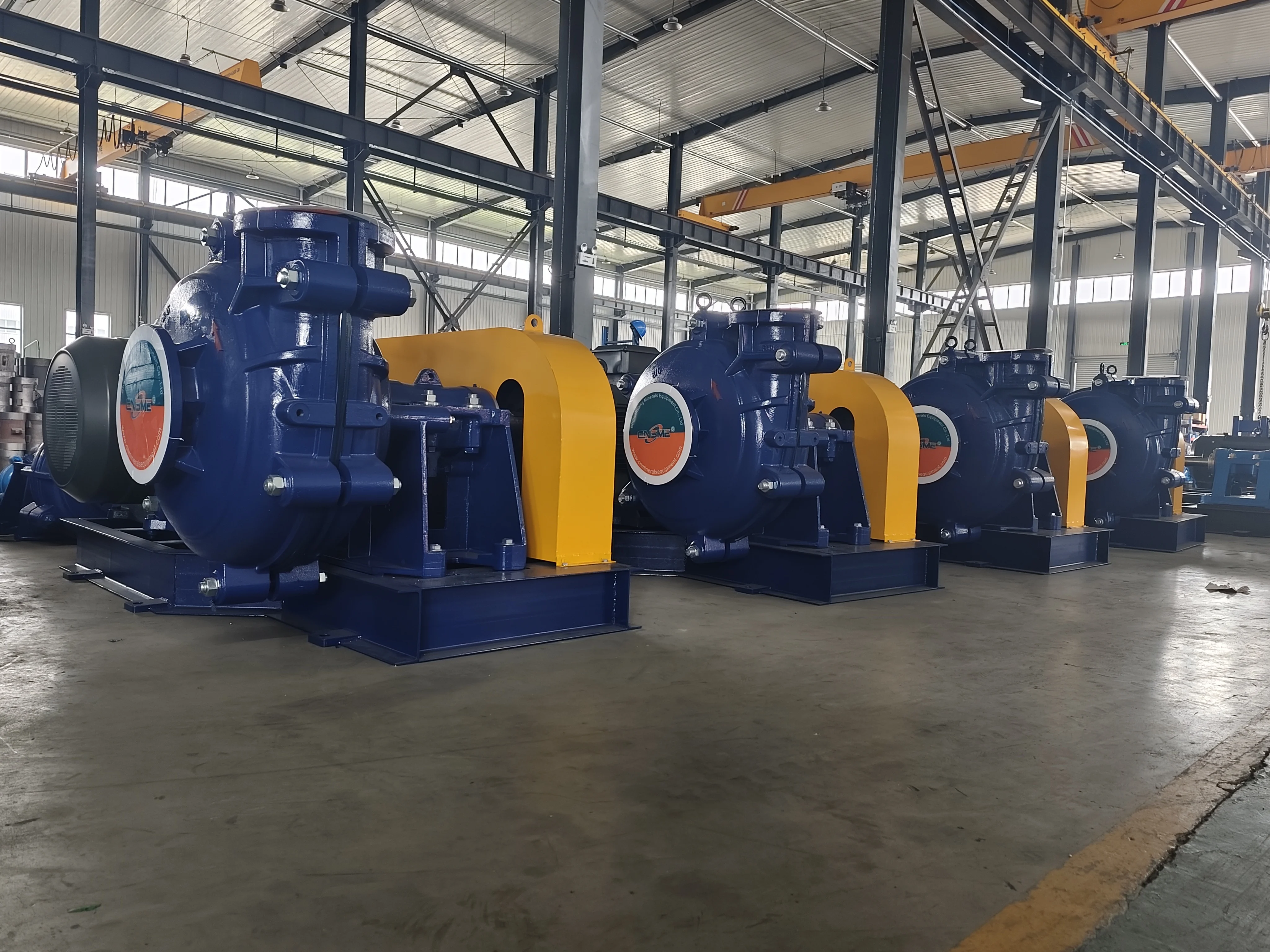
Mineral processing plants run around the clock, often seven days a week. Every minute a slurry pump manufacturer ↗ is down for repair is a minute the plant is not making product. CNSME addresses this reality with a modular design philosophy that makes component replacement fast and straightforward. Their pumps use interchangeable wet end parts across multiple models, meaning a plant does not need to stock a unique impeller for every pump in the facility. The casing designs allow access to wear parts without disturbing the piping or the drive assembly, and the external bearing adjustment means mechanics can restore clearances without breaking flange bolts. These design choices might seem like small details, but in a busy processing plant, they add up to hours or even days of additional uptime each year. A maintenance team that can swap a worn liner in two hours instead of eight keeps production moving and keeps the plant profitable.
 ## Offering Heavy-Duty Drive Configurations for Variable Loads
Mineral processing circuits rarely run at perfectly steady conditions. Feed rates fluctuate. Ore hardness varies. Cyclone pressures drift. A slurry pump that cannot handle these variations will suffer from frequent seal failures, bearing overheating, and unpredictable wear patterns. CNSME supports variable conditions by offering heavy-duty drive configurations including belt drives, hydraulic couplings, and variable frequency drive compatibility. Their bearing housings are designed to handle the side loads that belt tension creates, and their shafts are sized to tolerate the torque spikes that occur when a pump starts under load. For plants that need to adjust pump speed regularly to match changing process conditions, CNSME provides detailed guidance on minimum and maximum speeds to avoid settling or excessive wear. This flexibility allows processing plants to optimize their circuits without being limited by pump constraints.
Providing Local Support for Remote Mining Locations
Mineral processing often happens in remote locations, far from industrial supply centers. A pump failure in a desert mine or a high-altitude processing plant cannot wait a week for a replacement part to arrive by slow boat. CNSME supports these remote customers by maintaining regional stocking locations near major mining districts and by offering emergency response programs that prioritize critical shipments. They also provide detailed documentation and video training resources that help local maintenance teams diagnose problems and perform repairs without waiting for a factory technician to travel to the site. For a processing plant manager who wakes up to a failed pump at two in the morning, knowing that the manufacturer has a warehouse three hours away and a technical support line that answers at any hour makes all the difference. That is the kind of support that turns a pump supplier into a true partner in mineral processing.