Some labels are meant to be temporary. A shipping label is scanned a few times and thrown away with the box, and a promotional sticker comes off in the bin. Then there are labels expected to survive years of handling, temperature swings, sunlight, and chemical exposure without fading into illegibility. Product labels on industrial equipment, chemical containers, electronics, and outdoor goods fall firmly into this second category, and they demand a printing method capable of matching that lifespan. Xprinter thermal transfer label printers exist for exactly these situations, using an entirely different process from direct thermal printing to produce images that genuinely endure.
Why Direct Thermal Printing Falls Short for Permanent Labels
Direct thermal printing is wonderfully convenient because it needs no ribbon and leaves no consumables beyond the label itself. The image forms when heat activates a coating on the media, which is why thermal receipts fade in a car's glovebox and shipping labels lose contrast after months in storage. For product labels intended to remain readable for years, this fading is a serious problem. Heat, sunlight, friction, and certain chemicals accelerate the process, turning a crisp barcode into a pale shadow. When a label carries safety information, batch numbers, or compliance data, that degradation is not merely inconvenient but potentially a regulatory concern.
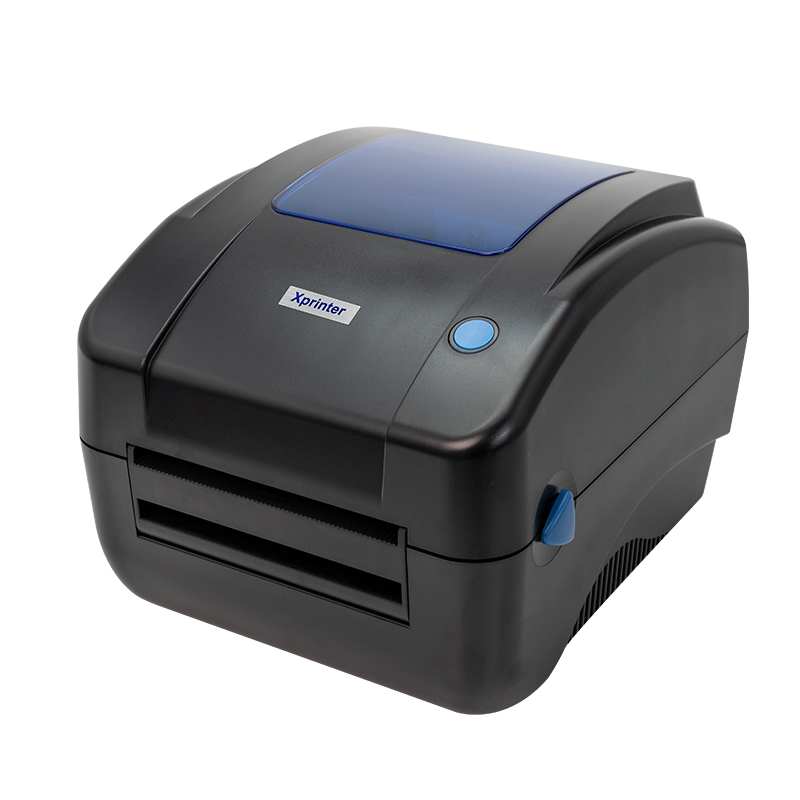 ### The Science Behind Thermal Transfer Printing
Thermal transfer printing solves the durability problem by changing where the image comes from. Instead of activating a coating on the label, the print head heats a ribbon coated with wax, wax-resin, or resin. That material transfers onto the label surface and bonds with it, creating an image that sits on top of the media rather than developing within it. Because the transferred material is physically bonded, it resists the environmental factors that degrade direct thermal output. Xprinter thermal label printer ↗ transfer printers manage this process with controlled heat and tension, producing consistent results across long production runs.
Ribbon Choices and Their Role in Label Longevity
The ribbon you select determines how well a label survives its environment, and choosing correctly matters as much as the printer itself. Wax ribbons are the most economical option and work well for paper labels used indoors, though they offer limited resistance to abrasion and moisture. Wax-resin ribbons blend wax and resin to provide better durability, handling moderate scratching and occasional moisture exposure. Full resin ribbons deliver the highest level of protection, resisting chemicals, solvents, heat, and outdoor conditions, and they are typically paired with synthetic facestocks like polyester or polypropylene. Matching the ribbon to the actual demands of the product's journey is what delivers genuine longevity.
Media Selection for Demanding Environments
Ribbon alone does not guarantee a durable label, because the facestock and adhesive must also suit the application. Paper labels work fine for indoor products with light handling, but synthetic materials perform far better where moisture, oils, or rough contact are expected. Polyester offers excellent dimensional stability and chemical resistance, making it a common choice for asset tags and industrial equipment. Polypropylene provides flexibility and moisture resistance at a lower cost, suiting many outdoor and refrigerated applications. Adhesive selection completes the picture, since a label that survives the environment but peels off the surface has failed regardless of print quality.
Applications Where Durability Is Non-Negotiable
Thermal transfer labels appear in places where failure carries real consequences. Chemical containers require labels that resist spills and fumes. Electronics manufacturers need identification that survives soldering, cleaning, and years of service. Outdoor equipment and automotive parts face sunlight, rain, and temperature extremes. Pharmaceutical and medical products often fall under regulations demanding that labeling remain legible for the full shelf life. Xprinter thermal transfer printers serve all these categories, producing labels that meet the practical requirement of remaining readable long after direct thermal output would have faded beyond recognition.
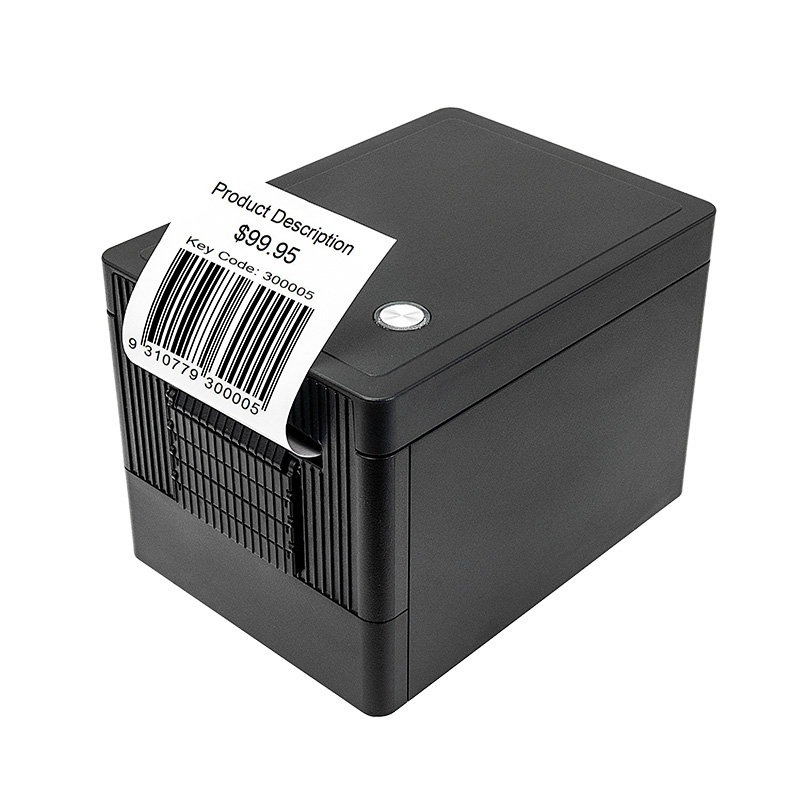 ### Getting the Most from Your Thermal Transfer Setup
Durability depends on more than hardware. Print darkness should be tuned so the transferred material bonds fully without smearing, since under-heated ribbons produce images that rub off easily. Print speed may need reducing for dense codes on synthetic media. Regular print head cleaning keeps output consistent and prevents the streaks that signal residue buildup. Storing ribbons and label stock away from heat and humidity preserves their performance. These habits, applied consistently, are what allow a thermal transfer printer to deliver labels that still scan correctly years after application.
When Thermal Transfer Is the Right Investment
Thermal transfer printing costs more than direct thermal, both in equipment and in ongoing ribbon expenses. That premium is justified whenever labels must last, resist harsh conditions, or carry information that cannot afford to fade. Xprinter offers thermal transfer capable printers across a range of models, from compact desktop units to industrial machines built for continuous production. Businesses that weigh label lifespan against cost per label usually find that the durable option pays for itself by preventing reprints, compliance problems, and the quiet erosion of trust that comes from unreadable identification.