A Proven Energy-Saving Upgrade
Few home improvements offer the same value as loft insulation ↗. Because heat naturally rises, an uninsulated or poorly insulated loft allows warmth to escape directly through the roof. Adding or topping up loft insulation reduces this heat loss, helping homes stay warmer and lowering heating bills. It is often one of the quickest and most affordable ways to improve a home’s energy efficiency. Insulation Bee offers a range of loft insulation products to help homeowners complete this valuable upgrade with confidence.
Assessing Your Current Insulation
Before buying materials, check the condition and depth of your existing loft insulation. Many homes have insulation installed years ago that may now be too thin, compressed, or damaged. Measure the depth in several places and look for gaps, damp patches, or areas where insulation has been disturbed. If insulation is wet or contaminated, it may need removing before new insulation is added. Understanding your starting point helps determine how much material is needed to reach recommended levels.
 ### Topping Up Effectively
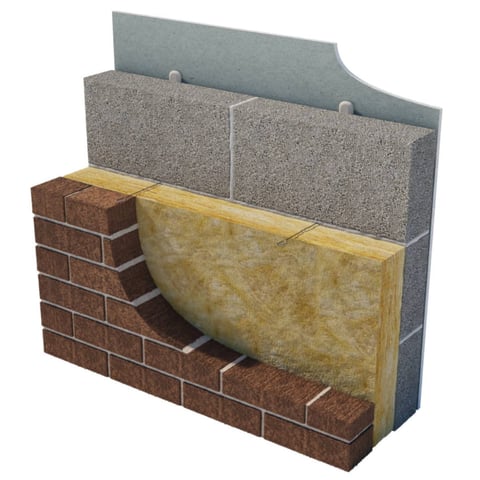
Topping up existing insulation is usually straightforward. If the current layer sits between joists, new rolls can be laid across the joists at right angles, covering the timbers and reducing thermal bridging. Aim to reach a total depth of around 270mm of mineral wool, as commonly recommended in UK guidance. Avoid compressing insulation, as this reduces effectiveness. Ensure the insulation is laid evenly without gaps. These simple steps can significantly improve thermal performance and comfort throughout the home.
Choosing Between Rolls and Boards
Mineral wool rolls are the most common loft insulation choice, offering good thermal performance at a reasonable cost. They are easy to handle and cut, making them ideal for DIY installations. Rigid insulation boards can be useful where space is limited or where boarded storage areas are planned, as they provide good performance in thinner layers. Some homeowners use a combination, with rolls across most of the loft and boards in specific areas. Choosing the right product depends on how the loft will be used.
Insulating the Loft Hatch
The loft hatch is often overlooked but can be a significant source of heat loss and draughts. Insulating the back of the hatch with rigid board and fitting draught-proofing strips around the frame helps maintain a continuous thermal barrier. A well-sealed hatch prevents warm, moist air from entering the cold loft, reducing condensation risk. This small upgrade is inexpensive and quick to complete but contributes meaningfully to overall energy efficiency and comfort in the home.
 ### Protecting Pipes and Tanks
Once a loft is well insulated, the space above the insulation becomes colder, which increases the risk of pipes and water tanks freezing in winter. Insulate pipes with suitable lagging and wrap water tanks with insulation jackets. Do not insulate directly beneath a cold water tank, as allowing some warmth from below helps prevent freezing. Taking these precautions protects plumbing from damage and ensures the loft insulation upgrade does not create new problems during cold weather.
Small Upgrade, Big Impact
Loft insulation is a simple upgrade that delivers significant benefits in comfort and energy savings. By assessing existing insulation, topping up to recommended depths, choosing suitable products, insulating the hatch, and protecting pipes and tanks, homeowners can achieve excellent results. Insulation Bee offers loft insulation products from trusted manufacturers, making it easy to source everything you need. Whether you are starting from scratch or improving existing insulation, upgrading your loft is a smart step toward a warmer, more efficient home.