You’ve probably heard that cardio is good for your heart, but what if the real beneficiary is your brain? According to Dr. Andrew Huberman, a neuroscientist at Stanford School of Medicine, getting exactly 180 minutes of cardiovascular exercise per week can transform your cognitive abilities in ways that few supplements or brain-training apps can match. He doesn’t just mean a casual stroll around the block—he’s talking about sustained, rhythmic movement that gets your heart rate up and keeps it there. The magic number, three hours weekly, isn’t pulled from thin air. It’s based on research showing that this specific dose triggers a cascade of neurological benefits, from sharper memory to faster learning and even protection against age-related decline. Let’s break down how this works and why you don’t need to become a marathon runner to reap the rewards.
Why 180 Minutes and Not More or Less
You might wonder why Andrew Huberman ↗ emphasizes 180 minutes specifically, rather than a round number like two or four hours. The answer lies in how the brain responds to exercise-induced stress. Less than 150 minutes per week, studies show, still improves mood but often fails to produce measurable increases in hippocampal volume—the brain region responsible for memory and learning. On the other hand, exceeding 300 minutes weekly can elevate cortisol levels in some individuals, potentially blunting the cognitive benefits. The 180-minute sweet spot, typically broken into three to four sessions, provides enough cumulative stress to trigger the release of brain-derived neurotrophic factor (BDNF), a protein that acts like fertilizer for brain cells. This is the dose where neuroplasticity—your brain’s ability to rewire itself—truly kicks into high gear.
 ## The BDNF Connection: Cardio as Brain Fertilizer
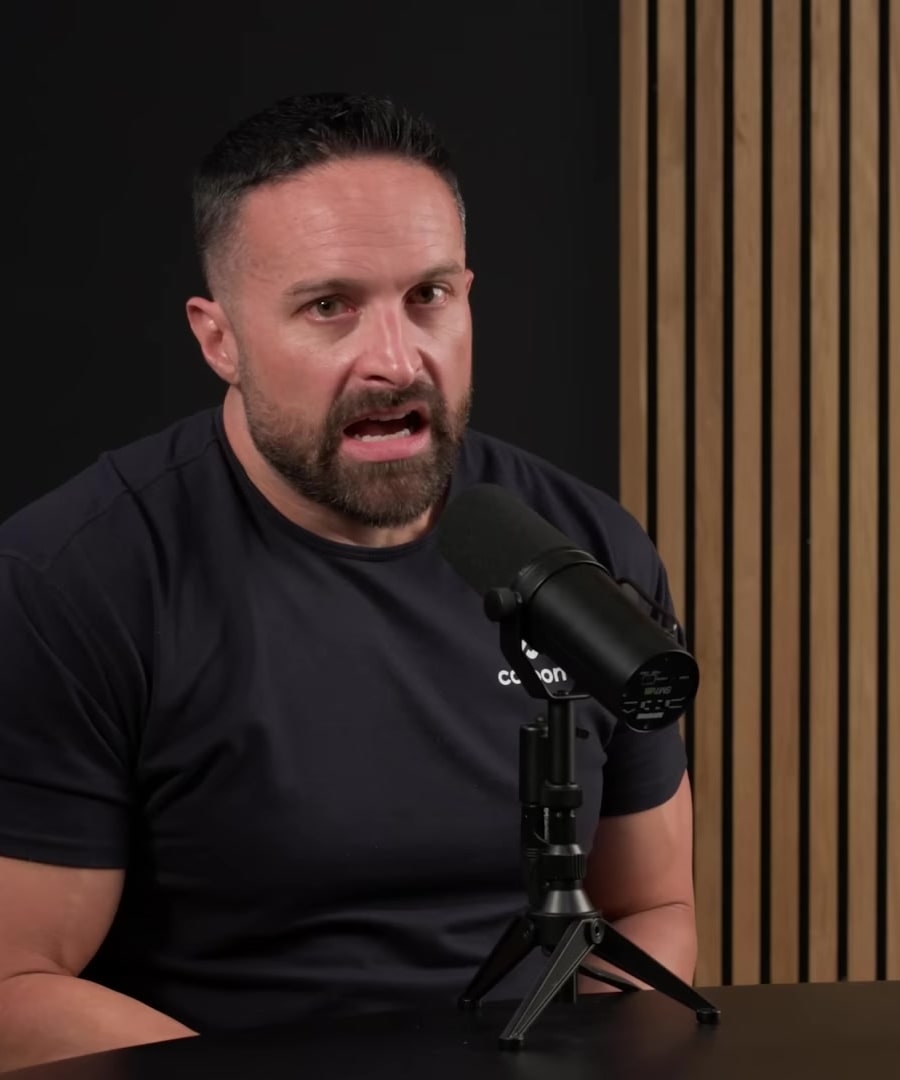
Let’s get a bit more specific about what’s happening inside your skull during that third hour of weekly cardio. BDNF, or brain-derived neurotrophic factor, is one of the most important molecules for brain health, and Huberman calls endurance exercise the most reliable way to boost it. When you run, swim, bike, or row for sustained periods, your muscles release signals that travel to your brain and tell it to produce more BDNF. This protein then strengthens existing neural connections and helps grow new ones. Think of it as pruning away weak pathways while reinforcing the ones you use most. After about eight weeks of hitting the 180-minute mark, many people notice they can learn new skills faster, remember names and faces more easily, and recover from mentally exhausting tasks more quickly. The best part? You don’t need to be an athlete. A steady jog, an elliptical session, or even a brisk uphill walk counts as long as your heart rate stays elevated.
Zone 2 Cardio: The Sweet Spot for Focus and Clarity
Not all cardio is created equal when it comes to brain power. Huberman is a strong advocate for what exercise physiologists call Zone 2 cardio. This is a pace where you can still hold a conversation but only in short, slightly breathless sentences—think about 60 to 70 percent of your maximum heart rate. In this zone, your body primarily burns fat for fuel rather than carbohydrates, which produces fewer inflammatory byproducts and allows you to sustain the activity for longer periods. For brain health, Zone 2 is particularly powerful because it increases blood flow to the prefrontal cortex, the region responsible for focus, planning, and impulse control. After a 45-minute Zone 2 session, many people describe a feeling of calm alertness rather than the jittery energy of high-intensity work. That’s the perfect mental state for tackling complex problems or creative projects.
How Weekly Cardio Reshapes Your Stress Response
One of the less obvious benefits of consistent cardio involves your autonomic nervous system—specifically, how it handles stress. Huberman explains that regular endurance training strengthens the vagus nerve, which acts as a brake on your stress response. When you face a deadline or a difficult conversation, your body naturally releases adrenaline and cortisol. In sedentary individuals, those stress chemicals linger for hours, clouding thinking and draining motivation. But in people who do 180 minutes of cardio weekly, the stress response resolves much faster. Within thirty minutes of a stressful event, heart rate returns to baseline, cortisol drops, and the prefrontal cortex comes back online. This means you can think clearly under pressure and recover emotionally from setbacks more quickly. Over months, this translates to better decision-making and less mental fatigue at the end of the workday.
The Memory-Boosting Window After Each Session
Timing matters just as much as total weekly volume. Huberman points to research showing that the two hours following a cardio session represent a prime window for learning and memory formation. During this period, BDNF levels remain elevated, and the hippocampus is unusually receptive to new information. If you have something important to memorize—a presentation, a language lesson, or even just a list of names—try scheduling it right after your run or swim. Conversely, avoid heavy alcohol consumption or high-sugar meals during this window, as they can blunt the neuroplastic effects. Many of Huberman’s followers report using this post-cardio window for their most demanding cognitive work, whether that’s studying for an exam or learning a new software tool. The difference, they say, is that information simply sticks better.
 ## Consistency Over Intensity: Why Your Weekly Total Matters Most
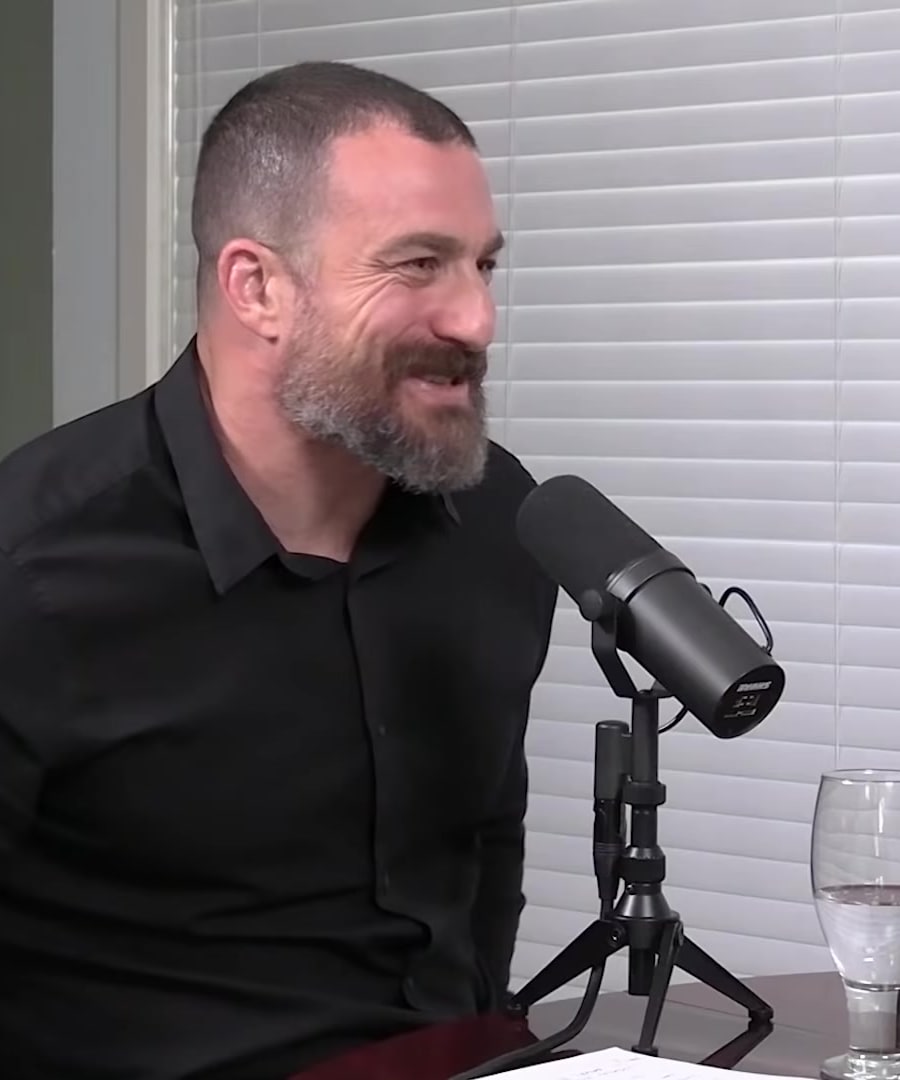
Here’s where people often get tripped up. They assume that one intense, two-hour workout on the weekend counts toward the 180-minute goal, and technically it does. But Huberman warns that cramming your cardio into one or two sessions misses the point. The brain benefits from frequent, moderate stimulation rather than sporadic, extreme efforts. Spreading your 180 minutes across four or five days—say, 35 to 45 minutes each time—keeps BDNF levels consistently elevated throughout the week. This steady signal tells your brain that it needs to stay plastic and adaptable. In contrast, a single long session produces a brief spike followed by days of lower levels. For most people, the sustainable approach is to pick three to five days per week, choose a cardio activity they don’t dread, and simply show up for 30 to 45 minutes. The brain doesn’t care if you’re slow or fast. It only cares that you keep coming back.
Practical Ways to Hit 180 Minutes Without Burning Out
Finally, let’s talk about how real people fit 180 minutes of cardio into lives already packed with work, family, and social obligations. Huberman suggests breaking it into smaller, non-negotiable blocks. Maybe that’s a 20-minute jog before breakfast and a 25-minute walk during lunch. Or perhaps it’s three 60-minute sessions on Tuesday, Thursday, and Saturday. The key is to remove the need for motivation by attaching cardio to an existing habit—like listening to a specific podcast only while exercising or always hitting the treadmill right after dropping kids at school. Also, remember that low-impact options like swimming, rowing, or using an elliptical machine count fully. You don’t need to run if your knees object. What matters is rhythmic, sustained movement that raises your heart rate for at least twenty minutes per session. Start with 120 minutes per week if 180 feels daunting, then add ten minutes each week. By the second month, you’ll likely notice that your thinking feels clearer, your patience is longer, and those afternoon mental slumps have become a thing of the past.