In the world of chemical and pharmaceutical manufacturing, the journey from a reaction mixture to a pure, dry powder is a defining phase of production. For decades, this path was navigated using a series of separate, dedicated pieces of equipment—a crystallizer, a filter, and a dryer. Today, the integrated filter dryer crystallizer tank ↗ presents a modern, unified alternative. This isn't merely a shift in hardware; it represents a fundamentally different operational philosophy with significant implications for performance. Breaking down the head-to-head performance between this integrated workhorse and the traditional three-unit approach reveals a clear story of efficiency, safety, and control in modern processing.
The Fundamental Architectural Divide
The core difference is architectural. The traditional model is a disconnected sequence. A batch is crystallized in one vessel, then the slurry must be pumped or transferred to a separate filter (like a nutsche filter or a centrifuge) for solid-liquid separation. The wet cake is then manually or mechanically moved again into a dedicated dryer, such as a tray or conical dryer. Each transfer is a discrete event. In stark contrast, the filter dryer crystallizer is a contained ecosystem. Crystallization, filtration, washing, and drying all occur within the same sealed, single vessel. The product never leaves the tank until it is a dry, free-flowing powder. This fundamental design philosophy creates a ripple effect across every performance metric that follows.
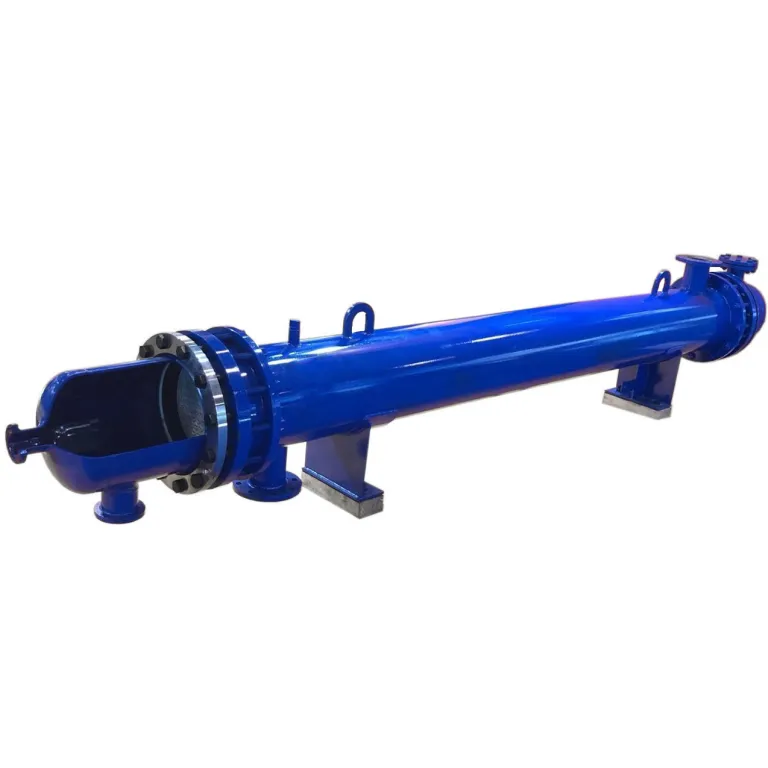 ### Product Yield and Purity: The Containment Advantage
When it comes to maximizing yield and ensuring purity, the integrated tank holds a decisive edge. Every transfer in the traditional model is an opportunity for product loss. Material adheres to transfer lines, is left behind in filters, or is lost as dust during manual handling. These losses, while small per event, accumulate. More critically, each exposure of the wet cake to the plant environment is a risk for contamination from airborne particles or cross-contact with other products. The filter dryer tank eliminates these exposures. Washing is more efficient as it can be performed in multiple cycles without moving the cake, leading to superior impurity removal. The result is a consistently higher percentage of recovered product that meets or exceeds purity specifications, directly impacting the bottom line.
Operational Safety and Containment
Safety performance diverges sharply between the two approaches. Handling potent, toxic, or sensitizing compounds is a major concern in many industries. The traditional model requires operators to be in proximity to open equipment for cake handling, charging dryers, and cleaning, increasing the risk of exposure. The integrated tank is designed for full containment. The entire process from start to finish is closed. Discharge of the final dry powder is often through a sealed valve system into intermediate bulk containers. This containment is not just a safety feature; it is a regulatory imperative for handling high-potency active pharmaceutical ingredients (HPAPIs) and ensures a safer working environment, reducing reliance on personal protective equipment and isolation technologies.
Process Time and Operational Footprint
The traditional train is often a bottleneck. It requires scheduling and coordination between multiple pieces of equipment, each with its own setup, operation, and cleaning cycle. There is inherent "dead time" while a batch waits for the next available unit. The filter dryer crystallizer consolidates this timeline. By performing all steps sequentially in one place, it eliminates waiting periods and reduces overall batch cycle time. Furthermore, one integrated tank replaces three separate machines, significantly reducing the facility's footprint. This space efficiency allows for more flexible plant layout and can free up valuable floor space for additional production capacity or other operations.
Scalability and Process Consistency
Scaling a process from the lab to production is challenging with traditional equipment because each unit operation must be scaled independently, and the dynamics of transferring material between them change. Consistency can suffer. The integrated tank simplifies scale-up. Process parameters like temperature profiles, agitation, and pressure are controlled within a single, scalable vessel geometry. The conditions that successfully produce a pure crystal and dry it in a small-scale model are far more directly translatable to a production-scale version of the same unit. This leads to more predictable outcomes, fewer failed batches, and a faster, more reliable tech transfer process.
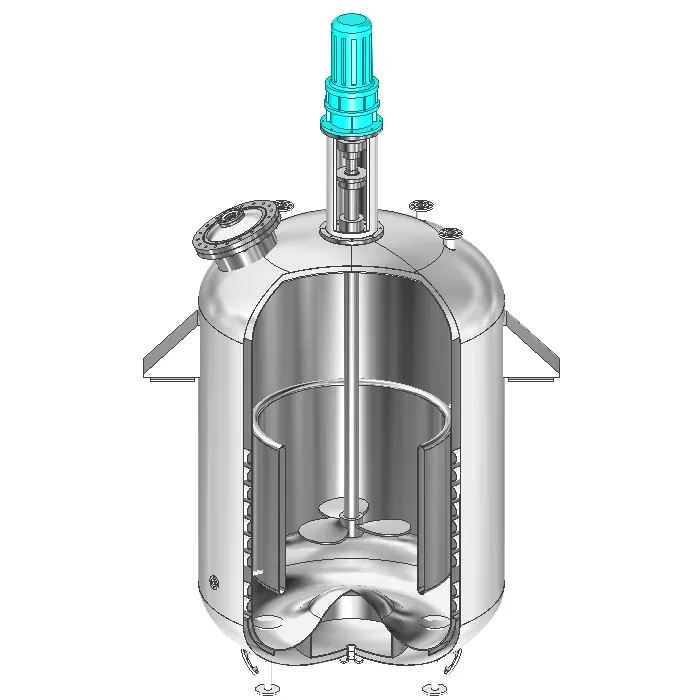 ### Cleaning and Changeover Efficiency
Cleaning validation is a substantial operational cost. In the traditional model, three separate pieces of equipment, plus all associated transfer lines, must be meticulously cleaned and sampled between product batches to prevent cross-contamination. This is a time and resource-intensive process. The integrated tank, while complex, is a single system to clean. Modern units are designed with Clean-in-Place (CIP) systems that efficiently clean the entire vessel, filter, and agitator. While the cleaning procedure may be sophisticated, it is singular. This consolidation dramatically reduces changeover time, cleaning agent consumption, and the overall validation burden, allowing for more flexible and responsive manufacturing scheduling.
The Economic Verdict: Capital vs. Operational Expenditure
The financial comparison is nuanced. The upfront capital expenditure for a high-quality filter dryer crystallizer tank is typically higher than for a single traditional crystallizer. However, a true comparison must stack it against the combined cost of a crystallizer, a filter, and a dryer of comparable capacity and quality. More importantly, the economic advantage of the integrated unit is realized in operational expenditure (OpEx). The savings from increased yield, reduced solvent use, lower labor costs for handling, shorter cycle times, and decreased downtime for cleaning create a compelling return on investment over the equipment's lifespan. For high-value products and regulated industries, the OpEx savings and risk mitigation often make the integrated tank the more economically sound choice in the long run. While traditional models may still have a place for simpler, low-value commodities, the performance breakdown clearly favors the integrated filter dryer crystallizer tank for advanced, high-purity manufacturing.