Why Noise Control Matters
Modern living often brings people closer together, whether in terraced houses, flats, shared offices, or busy urban environments. With this closeness comes noise, which can disrupt sleep, concentration, and relaxation. Controlling noise has become an important part of building design and renovation. Acoustic insulation helps reduce sound transmission through walls, floors, and ceilings, creating more peaceful environments. Insulation Bee offers acoustic solutions that help homeowners, landlords, and builders create quieter, more comfortable spaces for living and working.
Common Noise Problems
Different buildings face different noise challenges. In flats, footsteps and voices from neighbours above or beside can be disruptive. In terraced and semi-detached homes, sound through party walls is a frequent complaint. Within homes, noise between bedrooms, bathrooms, and living areas can affect privacy. Home offices need quiet environments for calls and concentration. Commercial spaces such as offices, schools, and hotels require good acoustic performance for comfort and productivity. Identifying the specific noise problem helps determine the most effective solution.
 ### Building Quieter Walls
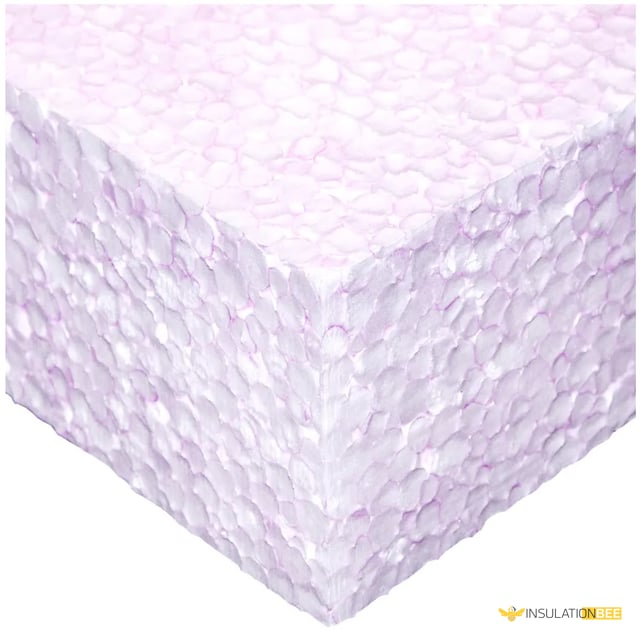
Stud walls can be significantly improved acoustically by combining several elements. Filling cavities with acoustic insulation ↗ such as mineral wool reduces sound reverberation within the wall. Using acoustic plasterboard adds mass to block airborne sound. Adding a second layer of plasterboard further improves performance. Resilient bars or independent stud frames decouple linings from the structure, reducing vibration transfer. Sealing gaps around edges and services prevents sound leaks. Together, these measures create walls that significantly reduce noise between rooms.
Quieter Floors and Ceilings
Floors and ceilings are common pathways for both airborne and impact noise. Installing mineral wool between floor joists improves airborne sound reduction. Acoustic underlays and resilient floor layers reduce impact noise from footsteps. Ceilings below can be improved with acoustic plasterboard and resilient fixing systems. In conversions creating separate flats, combining these measures is often necessary to meet building regulation requirements. Products from manufacturers such as Knauf and Cellecta support effective floor and ceiling acoustic upgrades.
Avoiding Flanking Sound
Flanking sound occurs when noise bypasses the main separating element and travels through connected structures, such as floor voids, walls, or service routes. Even well-insulated partitions can underperform if flanking paths are not addressed. Careful detailing at junctions between walls, floors, and ceilings is essential. Sealing gaps, using acoustic sealants, and isolating structures help reduce flanking transmission. Considering these details during design and installation ensures acoustic upgrades deliver their full potential and achieve the desired noise reduction.
 ### Combining Acoustic and Thermal Benefits
Many acoustic insulation products also provide thermal benefits. Mineral wool, for example, improves both sound and heat insulation in walls, floors, and lofts. Combining these benefits in one installation can make projects more cost-effective. When planning renovations, considering both thermal and acoustic improvements together allows homeowners and builders to maximise comfort. A quieter, warmer home offers a better quality of life, and integrated solutions help achieve both goals efficiently.
Enjoy Quieter Living
Acoustic insulation solutions help create calm, comfortable spaces by reducing unwanted noise. By identifying noise problems, building better walls and floors, addressing flanking paths, and combining acoustic and thermal benefits, you can transform how a building sounds and feels. Insulation Bee offers acoustic products from respected manufacturers, making it easy to source the materials needed. Whether you are improving a home, converting a property, or building new, acoustic insulation helps you enjoy quieter living and working environments.