Competition season exposes every weakness a dance shoe possesses. A pair that feels fine in a weekly class will reveal its flaws after three rounds in a single day, and a team wearing mismatched or failing footwear looks unprepared before a single step is taken. Coaches and team directors know this pressure well, which is why competition footwear deserves more planning than a casual studio purchase. Suphini's customized dance shoes ↗ service for competition teams focuses on the three qualities that determine performance under pressure: precise fit, reliable grip, and durability that survives the season. This article explains how team orders are approached, what specifications matter most for competitive dancing, and how coaches can plan purchases that keep their teams looking sharp and dancing safely through every event on the calendar.
Why Competition Footwear Demands a Different Standard
Competitive dance places demands on footwear that recreational dancing simply does not. Teams rehearse intensively in the weeks before events, often dancing the same routine dozens of times per session. Competition days themselves involve multiple rounds, quick costume changes, unfamiliar floors, and long hours in shoes that cannot be swapped for something more comfortable. A shoe that fits imperfectly will produce blisters by the second round; a sole with inconsistent grip will cause slips on polished floors; an upper that wears quickly will look shabby under stage lighting. Suphini's team program treats these conditions as the baseline requirement rather than an afterthought. Coaches who understand this standard make better purchasing decisions, and their teams arrive at competitions confident that their footwear will hold up.
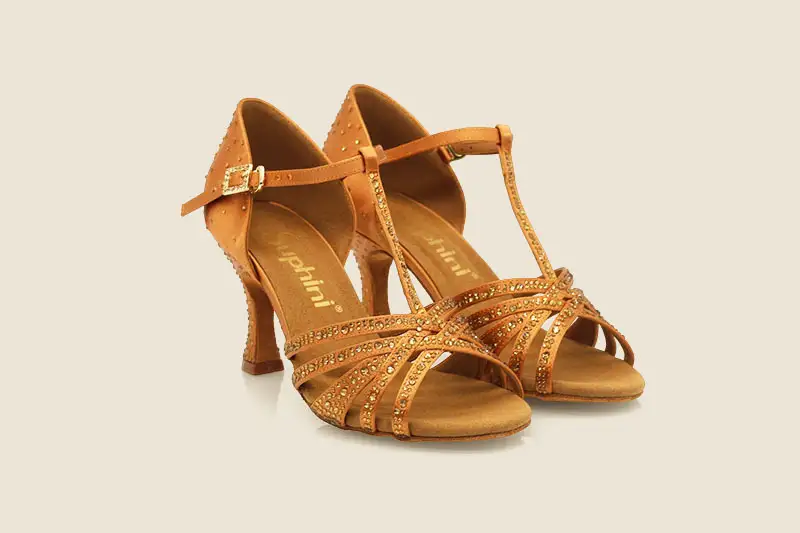 ## Fit Uniformity Across a Team
Team footwear presents a fitting challenge that individual buyers never face: every member has different feet, yet the shoes should look and perform consistently. Suphini addresses this by developing a size range built on a shared last, so that a size thirty-six and a size forty-one fit with the same design philosophy even though dimensions differ. Accurate measurement is essential, and coaches are encouraged to collect foot measurements during registration or early rehearsals rather than relying on members to self-report. Adjustable closure systems help accommodate variations in instep height and width without compromising the uniform appearance. For teams with members whose feet fall between standard sizes, guidance on choosing the more comfortable option prevents mid-season complaints. Consistent fit across a team means fewer distractions and more focus on choreography.
Grip and Sole Selection for Competitive Conditions
Grip is one of the most underrated factors in competitive performance. A sole that slips can ruin a formation or, worse, cause injury during fast footwork, while a sole that grips too aggressively prevents the smooth pivots and turns that judges expect to see. Suphini works with coaches to select sole specifications appropriate to the team's style and the floors they will encounter. Competition venues vary widely—some offer well-maintained wooden stages, others provide surfaces that challenge even experienced dancers. Suede soles remain the standard choice for most competitive styles, but thickness and finish can be adjusted to balance slide and control. Teams that compete on multiple surface types may benefit from a second pair prepared for specific conditions, and coaches should communicate floor details to the manufacturer whenever possible.
Durability Features That Survive a Full Season
A competition season can be brutal on footwear, and durability is where cheap shoes reveal themselves. Suphini builds team orders with construction choices that extend usable life: reinforced stitching at high-stress points, durable sole attachments, quality adhesives, and materials selected for abrasion resistance. Decorative elements are secured to survive repeated wear and handling. Coaches ordering team shoes should consider the full season's demands—weekly rehearsals, multiple competitions, and perhaps a showcase or two—and specify accordingly. Building in a small reserve stock of common sizes allows for replacements when a member outgrows a shoe or damages one unexpectedly. Durable footwear saves money over the season and ensures that the team's appearance remains consistent from the first event to the last.
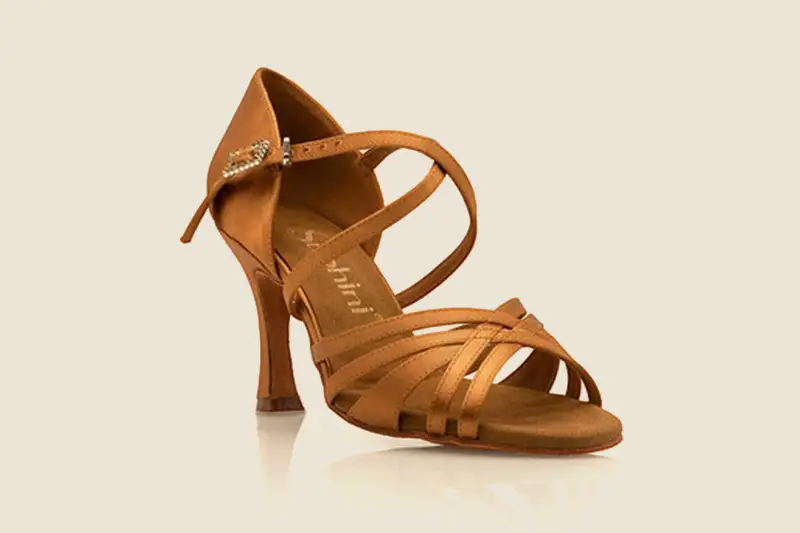 ## Branding and Appearance Under Stage Lights
Competition teams benefit from coordinated branding that reinforces their identity. Suphini offers options for embroidered team names, studio logos, and color coordination with costumes, all applied with attention to how details read under stage lighting. Materials should be chosen with photography in mind, since competition images circulate widely and shape a studio's reputation. Consistency across the team matters more than individual flourish; matching shoes create a polished visual line that judges notice. Coaches should involve costume designers or artistic directors in these decisions, ensuring that footwear complements the overall presentation rather than competing with it. A well-branded, uniform team appearance sends a message of professionalism before the music even begins.
Planning Team Orders Around the Competition Calendar
Timing determines whether team footwear arrives as an asset or a liability. Suphini recommends beginning the ordering conversation at least three to four months before the first competition, allowing time for sampling, approval, production, and delivery. Coaches should map out their season's events, identify the earliest date shoes will be needed, and work backward from that deadline. Sizing should be collected early, and parents should be informed promptly about costs and timelines. Reserve stock, rehearsal wear-in time, and a buffer for unexpected delays all deserve consideration. Teams that plan ahead arrive at their first competition prepared and confident; those that order at the last minute spend the season compensating for problems that could have been avoided entirely.