Anyone shopping for a label printer eventually runs into the same fork in the road. Two technologies dominate the market, they sound almost identical, and the difference between them shapes everything from your running costs to how long your labels survive. Xprinter builds machines that support one or both methods, which is helpful but also means the decision lands squarely on you. Getting this choice right is arguably the single most important step in buying a label printer, because no amount of resolution or print speed can compensate for picking the wrong chemistry for your labels.
How Direct Thermal Printing Actually Works
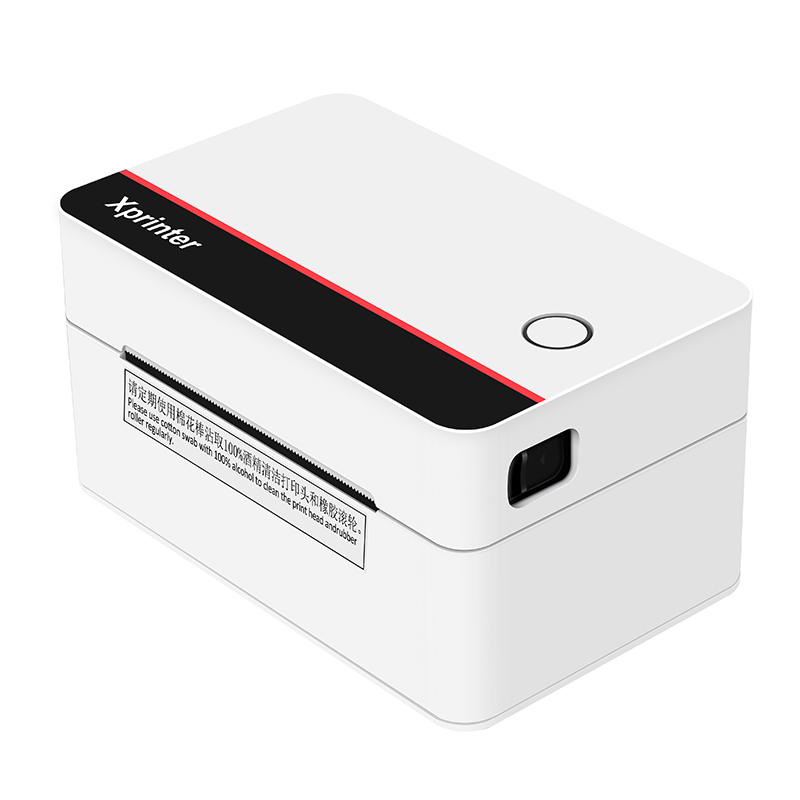
Direct thermal printing is the simpler of the two technologies, and its elegance lies in what it does not need. The label stock itself is coated with a heat-sensitive layer that darkens when it passes beneath the printer's thermal print head. No ribbon, no ink, no toner, and no drying time are involved. That simplicity translates into fewer moving parts, lighter maintenance, and a lower cost per label. Xprinter's direct thermal models start producing output within seconds of receiving a job, which is one reason they have become so common in retail counters and parcel rooms where labels are printed constantly and discarded quickly.
 ### How Thermal Transfer Printing Differs
Thermal transfer printing adds one extra element to the equation: a ribbon. The print head heats the ribbon rather than the label, transferring wax or resin onto the media below. This intermediate step produces a label that is dramatically more resistant to scratching, moisture, heat, and chemical exposure. The trade-off is obvious in the form of an additional consumable, and the printer itself needs a ribbon spindle and a slightly more involved loading process. Xprinter offers thermal transfer capable models for operations where labels must remain readable for months or years rather than days.
The Durability Question That Decides Most Cases
The most practical way to choose between the two is to ask how long a label needs to survive. Direct thermal labels work beautifully for shipping labels, receipts, visitor badges, and price tags that will be scanned once or twice and then thrown away. Their weakness shows up when they are exposed to sunlight, heat, friction, or rough handling, at which point the image gradually fades and can become unreadable. Thermal transfer labels hold up under those conditions, making them the sensible choice for asset tags, inventory shelf labels, chemical containers, and anything stored long term. If a barcode failing after three months would cause real problems, thermal transfer is the safer answer.
Cost Considerations Beyond the Purchase Price
Direct thermal printers usually cost less upfront and considerably less to run, since the only consumable is the label stock itself. Thermal transfer printing introduces the ongoing cost of ribbons, which can be significant in high-volume environments. However, the comparison is not quite that straightforward. A thermal transfer label that lasts two years may be cheaper overall than a direct thermal label that fades in six months and needs reprinting. Wasted labor, rescanned barcodes, and reissued asset tags all carry a price. Businesses printing high volumes of short-lived labels should lean toward direct thermal, while those printing fewer but more permanent labels often find thermal transfer pays for itself.
Where Each Technology Fits Best in Real Operations
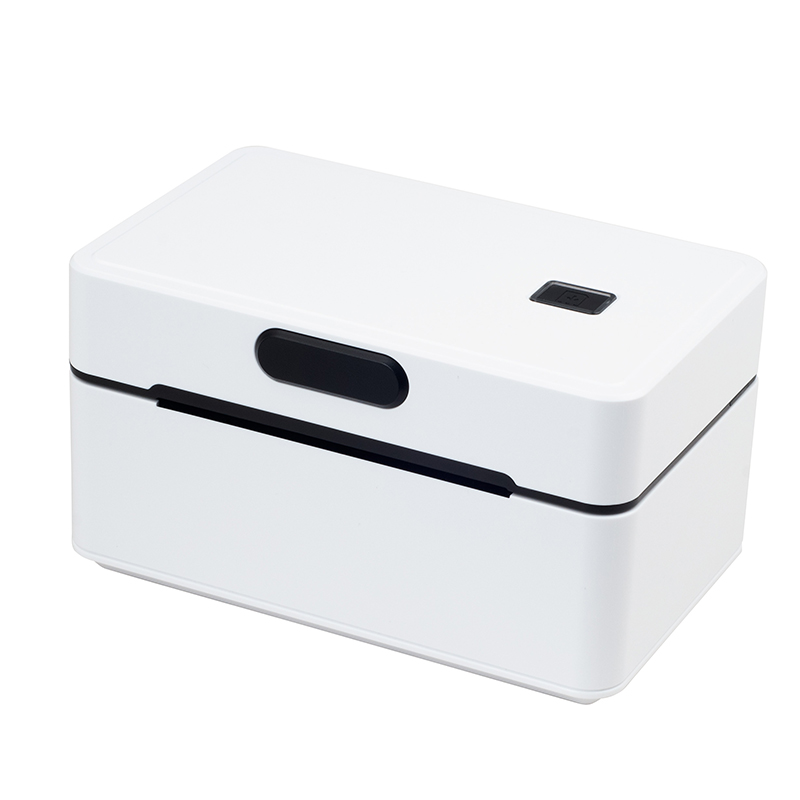
Retail environments tend to favor direct thermal label printer ↗ **for price tags and promotional stickers, where labels are temporary by nature. Shipping and fulfillment operations also rely heavily on direct thermal for carrier labels, which are scanned within hours and discarded. Warehouses, manufacturers, and healthcare facilities lean toward thermal transfer for pallet licenses, equipment tags, specimen labels, and anything subject to regulation or long storage. Some operations genuinely need both, which is why hybrid printers that accept ribbons and run without them are worth considering. Xprinter manufactures models across this spectrum, so matching technology to application is usually a matter of identifying your most demanding label rather than your average one.
 ### Media and Ribbon Choices That Affect Results
If you choose thermal transfer, the ribbon you select matters as much as the printer. Wax ribbons are economical and suit paper labels used indoors. Wax-resin ribbons offer better resistance to smudging and moderate abrasion. Full resin ribbons deliver the highest durability and are typically used with synthetic materials like polyester for labels exposed to chemicals, heat, or outdoor conditions. Direct thermal printing has fewer variables but still depends on label quality, since cheap stock produces faint images and clogs print heads more quickly. In both cases, matching media to the environment is what actually delivers the durability you are paying for.
Making the Decision with Confidence
Choosing between direct thermal and thermal transfer comes down to a handful of honest questions about your labels, your environment, and your budget. How long must the image remain readable, what conditions will the label face, how many do you print, and what does a failed label cost you? Answer those clearly and the technology often selects itself. Xprinter gives buyers options on both sides of the divide, along with hybrid machines for operations that cannot choose just one. Once the technology is settled, the rest of the purchasing process becomes considerably simpler.