Behind every pair of Suphini standard dance shoes ↗ stands a factory where traditional shoemaking skills meet the specific demands of ballroom dancing. What distinguishes this workshop from countless others is its reliance on professional lasts, the foot-shaped forms that determine how a shoe fits and moves, combined with hand assembly at the stages where precision matters most. This article takes a closer look at how the Suphini factory operates, why lasts occupy such a central role in production, and what dancers ultimately gain from this approach.
Inside the Suphini Production Workshop
Suphini's workshop is organized around the sequence of shoe construction rather than around departments working in isolation. Cutting, stitching, lasting, sole attachment, and finishing follow one another in a controlled flow, with each stage feeding the next. Skilled workers handle the tasks that demand judgment, such as assessing leather quality and shaping uppers around the last, while machinery assists with tasks that benefit from repetition and consistency. This blend of hand skill and mechanical support keeps output steady without sacrificing the individual attention that dance footwear requires. Visitors to the factory often remark on how quiet and orderly the process feels, which reflects how long the team has refined its routines.
 ## Why Professional Lasts Are the Foundation of Fit
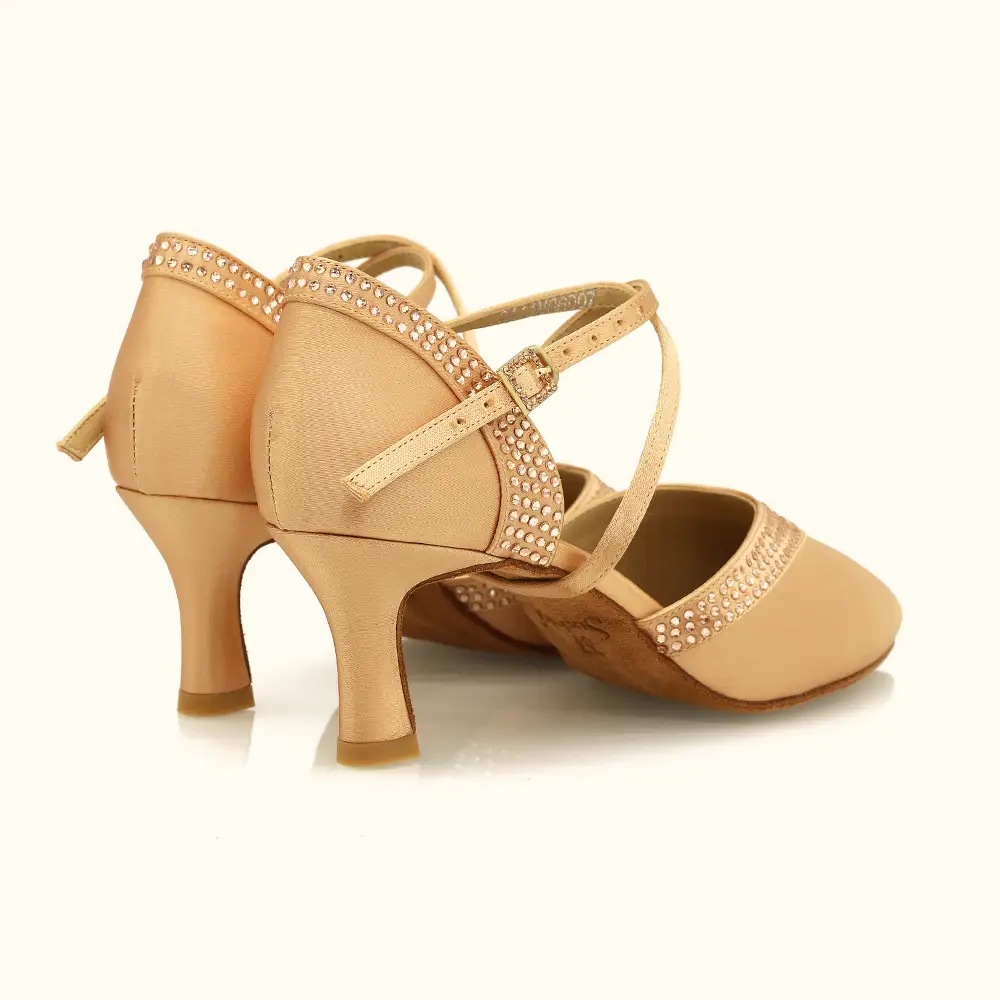
A last is essentially a three-dimensional model of a foot, and the shape of that model determines everything about how a finished shoe fits. Suphini maintains a library of lasts developed specifically for standard ballroom dancing, each one shaped to support the foot through rise and fall rather than merely to look like a foot. The arch profile, heel seat angle, toe spring, and instep height are all deliberate decisions encoded into the last. When a dancer says a Suphini shoe feels right from the first wearing, the last deserves much of the credit, because fit begins there and cannot be corrected later by clever stitching.
Building the Last Library for Different Dancers
No single last serves every dancer, and Suphini's factory maintains multiple forms to accommodate different foot shapes and heel configurations. Wider lasts serve dancers who need more room across the ball of the foot, while narrower profiles suit those with slender feet. Lasts are also matched to heel heights, since raising the heel changes how the foot sits and where pressure falls. This library allows Suphini to offer its range without compromising fit, and it also supports the customization requests that dancers occasionally bring to the factory. Maintaining professional lasts is an ongoing investment, but it is the element dancers feel most directly with every step they take.
Hand Assembly at the Stages That Matter
Handmade quality does not mean every operation is performed by hand, and Suphini's factory is honest about this. Machinery handles tasks where consistency is essential and human hands add little, such as cutting identical panels or pressing soles. The work shifts to skilled hands at the stages where judgment matters: lasting the upper around the form, aligning straps, setting heels, and finishing edges. These are the points where small variances become noticeable in wear, and where an experienced worker catches problems machines would miss. This selective approach to handwork keeps quality high and prices reasonable, which serves dancers better than either extreme.
Quality Checks That Follow Every Pair
Quality control in the Suphini factory is distributed across the production line rather than concentrated at the end. Uppers are checked after stitching, shoes are inspected after lasting, and completed pairs undergo a final review before boxing. Workers are empowered to flag problems at their own station rather than passing them downstream, which catches issues early and keeps rework low. The factory also retains records of last shapes and material batches, making it possible to trace problems if a pattern of complaints emerges. This systematic attention is what allows Suphini to promise consistency across seasons and sizes, a claim many competitors cannot support.
 ## Meeting the Needs of Studios and Retailers
The factory does not only serve individual dancers; it supplies studios and retailers who depend on reliable sizing and timely delivery. Production planning accounts for wholesale orders alongside individual purchases, so stock remains available in core sizes throughout the year. Suphini communicates clearly with its retail partners about availability and any changes to lasts or materials, which helps shops advise customers accurately. For studios ordering shoes for examination candidates or competition teams, this reliability matters enormously, since a late delivery can disrupt months of preparation. A factory that understands its role in the wider dance community earns loyalty that extends far beyond a single purchase.
The Dancer's Stake in Factory Standards
Most dancers will never visit the Suphini factory, but its standards shape every lesson, rehearsal, and competition they attend. A well-made last produces a shoe that supports technique; careful hand assembly prevents the failures that interrupt performances; distributed quality checks keep sizing consistent from pair to pair. Understanding this behind-the-scenes work helps dancers appreciate why some shoes cost more and why fit should never be treated as an afterthought. When a Suphini shoe feels secure through a waltz or comfortable after a full day of dancing, the factory and its professional lasts are quietly doing their job.