Launching a dance shoe brand sounds glamorous until you confront the practical question of how the shoes actually get made. Dancers are notoriously picky about their footwear, and rightly so—a shoe that slips, pinches, or loses its shape mid-performance is worse than no shoe at all. For entrepreneurs and studio owners who want their own branded line, the path from idea to finished product involves a series of decisions that shape everything from cost to customer satisfaction. This guide walks through the essential stages of creating customized dance shoes ↗ with Suphini, drawing on the manufacturer's experience in turning ambitious concepts into footwear that survives the demands of the studio floor and the competition stage.
Start With the Dancer, Not the Design
The most common mistake new brand owners make is falling in love with a design before understanding who will wear it. Before any sketch is drawn, it pays to define the audience with precision. Are these shoes for Latin dancers who need flexibility and spin-friendly soles, or for ballroom competitors requiring stability and elegant lines? Will they serve children in beginner classes, where durability and price matter most, or adult professionals willing to pay for premium leather and hand-finishing? Suphini's team consistently steers clients toward this audience-first thinking because it determines nearly everything downstream—materials, construction methods, sizing ranges, and packaging. A brand that tries to appeal to everyone usually ends up appealing to no one, and the manufacturing process becomes a guessing game rather than a focused effort.
 ## Translating Ideas Into Technical Specifications
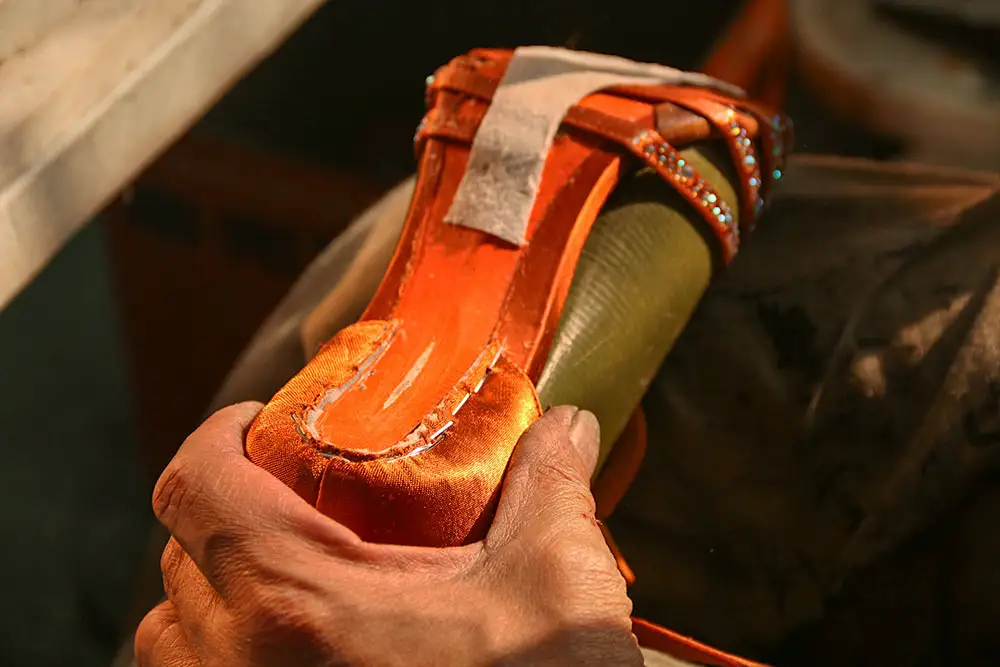
Once the target dancer is clear, the creative work shifts from mood boards to measurable details. This is where many first-time brand owners discover that shoe design is less about aesthetics and more about engineering. Suphini guides clients through the process of specifying heel height and shape, sole material and thickness, strap placement, closure mechanisms, lining fabrics, and decorative elements. Reference samples help enormously; a client who can point to an existing shoe and say "this fit, but with a wider toe box and a lower heel" communicates more in one sentence than pages of written description. The goal at this stage is to produce a technical package that both parties understand identically, eliminating the ambiguity that causes costly revisions later. Vague instructions like "make it comfortable" are kindly but firmly translated into concrete choices about arch support and cushioning.
Sampling: Where Dreams Meet Reality
No matter how detailed the specifications, the first physical sample always teaches something new. Suphini treats sampling as an iterative conversation rather than a single hurdle to clear. The initial prototype reveals how materials behave together, how the heel balances under weight, and whether the proportions look as elegant in three dimensions as they did on paper. Clients are encouraged to test samples rigorously—wear them in class, spin in them, sweat in them—and report back with specific feedback. Adjustments might involve shifting a strap by a few millimeters, softening a lining, or changing a buckle supplier. Each round of revision tightens the design, and while the process can feel slow to eager founders, it is far cheaper than discovering flaws after a full production run has been completed and shipped.
Choosing Materials That Balance Cost and Performance
Material selection is where brand values become tangible. A brand promising luxury will gravitate toward full-grain leather and satin, while one targeting affordable practice shoes might choose durable synthetics and simpler finishes. Suphini's role is to present honest options rather than pushing the most expensive path. Clients learn how different soles affect spin and grip, how lining choices influence breathability and odor resistance, and how decorative elements hold up under repeated flexing. Cost discussions happen openly, because a beautiful shoe that cannot be sold at a viable margin helps nobody. The smartest brands often begin with a focused material palette—perhaps two or three upper options and a single sole specification—which simplifies production, reduces inventory complexity, and makes quality control more consistent across batches.
Building a Brand Identity Beyond the Shoe
Customized dance shoes offer branding opportunities that extend well beyond the upper material. Suphini works with clients on heel markings, custom insoles, woven labels, and packaging that reinforce the brand's personality every time a customer opens a box. For a dance studio ordering team shoes, this might mean embroidered logos and coordinated colors; for an independent label, it could involve distinctive dust bags and care cards that elevate the unboxing experience. These touches matter in a market where word of mouth travels fast through studio networks and social media. A thoughtfully branded shoe signals professionalism and gives dancers a reason to remember the name. It also creates a sense of belonging, which is precisely the emotion that builds loyalty in the dance community.
 ## Planning Production and Scaling With Confidence
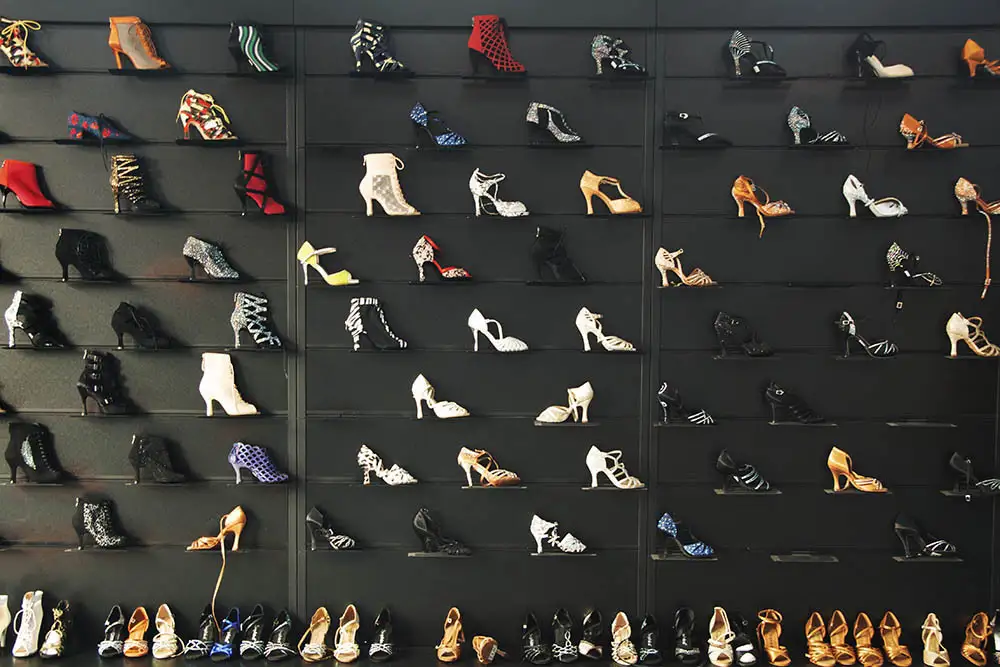
When the sample is approved and materials are locked, attention turns to production logistics. Suphini helps clients navigate order quantities, production timelines, and shipping arrangements, with particular sensitivity to the needs of smaller brands. Starting with a modest batch allows a new label to test the market, gather feedback, and refine future orders without overcommitting capital. Clear communication about lead times prevents the disappointment of missed recitals or competition seasons, and agreed quality checkpoints ensure that the finished shoes match the approved sample. Scaling up later becomes far easier once this foundation is solid, because the specifications, supplier relationships, and lessons learned are already documented and proven.
Final Thoughts on Turning Vision Into Footwear
Creating a customized dance shoe brand is a marathon of small, deliberate decisions rather than a single leap of faith. The founders who succeed are those who listen to dancers, embrace the sampling process, choose materials with clear-eyed pragmatism, and build a brand identity that resonates in studios and on stages. Suphini's role is to provide the manufacturing expertise and honest guidance that keeps that journey on track. With the right partner and a willingness to iterate, a sketch on a napkin can become a shoe that dancers reach for again and again—and that is the truest measure of a brand worth building.