Investing in a galvanizing line is a decision that shapes a steel producer's output for years, so it pays to know exactly what you are getting. HiTo Engineering has carved out a place in this industry by focusing on practical advantages that matter on the shop floor rather than glossy claims. Whether you are setting up a new coil production facility or upgrading an aging line, understanding the real benefits of a well-engineered galvanizing setup helps you make a smarter choice. This article breaks down seven advantages that a HiTo Engineering line brings to steel coil production, explained in straightforward terms.
Consistent Coating Quality Across Every Coil
The single biggest concern for any GI coil buyer is uniformity, and this is where thoughtful line engineering shows its value. HiTo Engineering designs its lines with tightly regulated bath temperatures, stable strip tension, and precise air knife control, all of which work together to keep coating weight within specification from the first meter to the last. When a line holds these parameters steady, downstream customers notice the difference immediately, because their stamping, bending, and painting operations behave predictably. Consistency also reduces rejections and rework, which quietly saves money on every shift. In an industry where a few grams per square meter of deviation can mean a failed order, this reliability becomes a genuine competitive edge rather than a technical footnote.
 ## Higher Throughput Without Sacrificing Standards
Speed and quality are often portrayed as opposites, but a well-built line proves that assumption wrong. HiTo Engineering's designs incorporate continuous processing, efficient furnace layouts, and buffering systems that keep the strip moving even during coil changes, so production hours are used productively rather than lost to stoppages. Faster line speeds translate into more tons per shift, and because the control systems maintain conditions automatically, the higher output does not come at the cost of coating uniformity. For coil producers chasing larger contracts, this combination of pace and precision is what makes the difference between winning and losing a bid.
Reduced Energy Consumption and Operating Costs
Galvanizing is an energy-intensive process, with furnaces and zinc pots accounting for a large share of running costs. HiTo Engineering addresses this through heat recovery arrangements, improved insulation, and combustion systems that extract more useful heat from every unit of fuel. Over a year of continuous operation, these efficiencies add up to meaningful savings that directly improve the bottom line. Lower energy draw also softens the impact of fuel price fluctuations, giving producers more predictable cost structures. When evaluating any line, it is worth asking not just what it costs to buy but what it costs to run, and this is an area where smart engineering pays for itself repeatedly.
Longer Equipment Life and Lower Maintenance Burden
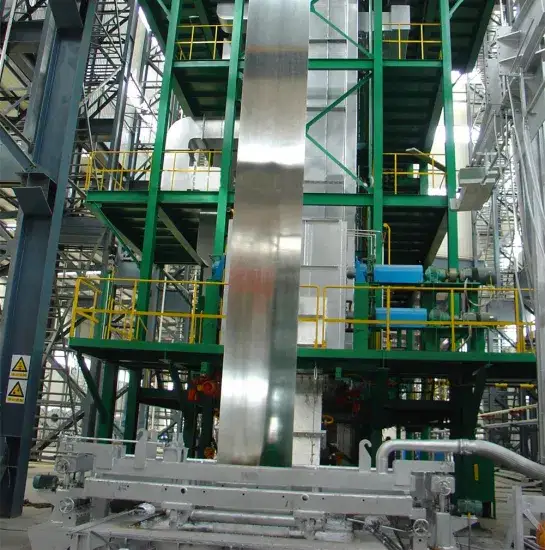
A hot dip galvanizing line ↗ operates in a harsh environment of heat, corrosive chemicals, and constant mechanical stress, so durability is not optional. HiTo Engineering builds its equipment with corrosion-resistant materials, robust roll assemblies, and components selected for the realities of continuous duty. The result is a line that spends more time producing and less time under repair, which protects the owner's investment over its full service life. Maintenance is also made simpler through accessible layouts and well-documented systems, allowing plant teams to handle routine servicing without extended downtime. Fewer breakdowns mean fewer missed delivery dates, and that reliability builds trust with customers over the long term.
Safer Working Conditions for Operators
Safety deserves a prominent place in any discussion of industrial equipment. Molten zinc, acid baths, and moving strip all present hazards, and a line that manages these risks thoughtfully protects the people who run it. HiTo Engineering incorporates ventilation, fume extraction, guarding, and interlock systems into its designs, reducing operator exposure to heat and chemical fumes. Automated handling reduces the need for personnel to work near the zinc pot, and clear safety systems help prevent accidents before they happen. A safer plant also tends to have better morale and lower staff turnover, which matters more than many managers initially expect.
 ## Flexible Production for Varied Market Demands
Steel coil markets shift constantly, with buyers requesting different coating weights, strip widths, and surface finishes. A rigid line struggles to keep up, while a flexible one adapts without drama. HiTo Engineering's lines allow adjustments to air knife settings, line speed, and furnace parameters so that producers can switch between product specifications with minimal disruption. This flexibility lets a plant serve multiple customer segments rather than being locked into a narrow niche, spreading risk across diverse orders. In practice, the ability to respond quickly to changing demand often determines whether a producer thrives during market swings.
Trustworthy Support and Engineering Expertise
Equipment is only part of the story; the partner behind it matters just as much. HiTo Engineering supports clients through installation, commissioning, training, and ongoing technical assistance, which helps plants reach stable production faster and stay there. Their engineering team understands the quirks of galvanizing and can advise on process tweaks when quality issues arise, rather than leaving customers to figure things out alone. For producers making a long-term capital commitment, having a responsive partner who knows the line inside out provides peace of mind that is hard to quantify but easy to appreciate. Taken together, these seven benefits explain why a HiTo Engineering galvanizing line earns its place in serious steel coil operations.